



by Jeroslyn JoVonn
March 3, 2026
Maryland lawmakers are advancing legislation aimed at identifying the Black children buried in unmarked graves near Cheltenham Veterans Cemetery.
Maryland lawmakers are advancing legislation to establish a commission tasked with documenting and honoring the more than 230 Black children who died and were buried, some in unmarked graves, near Cheltenham Veterans Cemetery.
On Feb. 25, the State Senate considered legislation to create a commission tasked with compiling a full and public record of the children who died and were buried and forgotten, WUSA9 reports. If approved, the bill would require the commission to deliver a final report to the governor and General Assembly by Dec. 31, 2029.
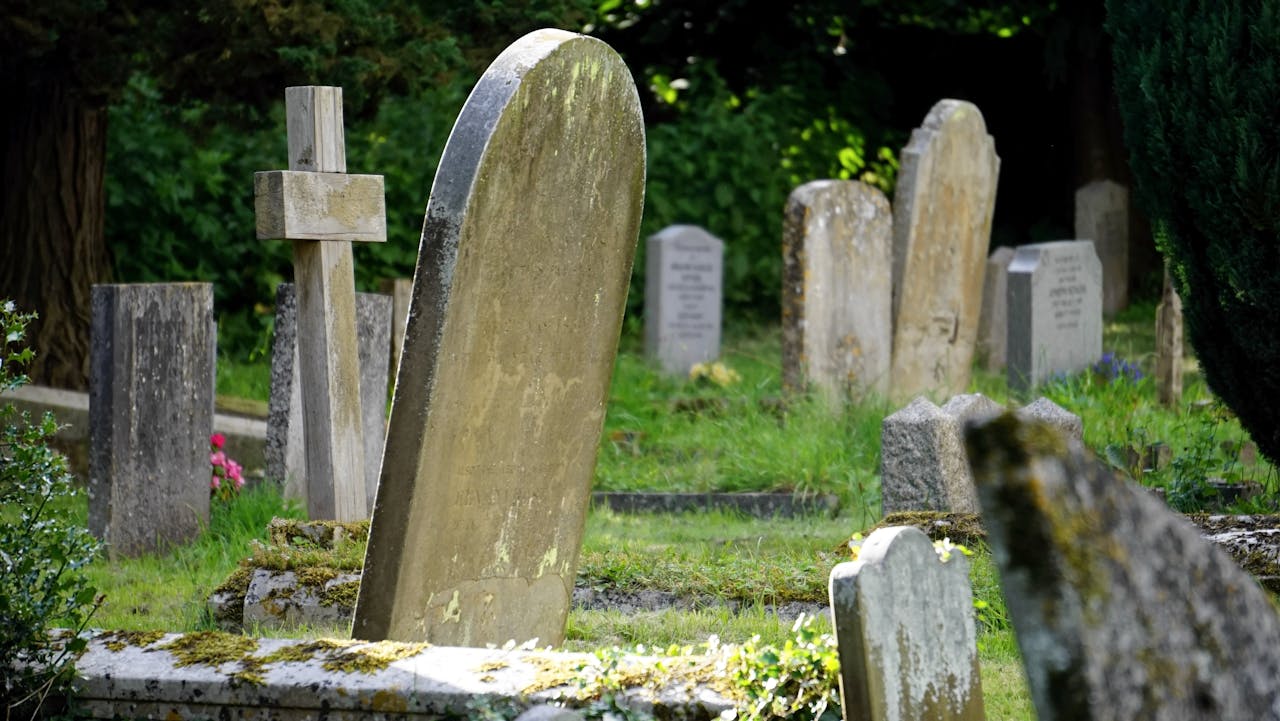
The burial site lies in the woods beside Cheltenham Veterans Cemetery, where children from Maryland’s House of Reformation and Instruction for Colored Children, a state-run facility that opened in 1870, just six years after slavery ended in the state, were laid to rest and largely forgotten. Marc Schindler, a research professor with the Georgetown Center for Youth Justice, said the institution’s treatment of the boys in its care echoed the harsh practices of slavery, exposing them to severe abuse and neglect.
“The House of Reformation and Instruction for Colored Children, similar to a plantation,” he said. “The boys were forced to work, that were leased out to area farms of White families. There was serious abuse and neglect, we believe, and we have evidence of that.”
It wasn’t until researchers closely examined the burial site that they discovered what was once believed to be about 100 unmarked graves was significantly higher.
“We then discovered, or re-discovered, I should say, approximately a hundred cinderblock markers that we believe mark the graves of other children,” Schindler said. “Research now shows that there may be as many as 230, possibly more, buried in that area.”
Georgetown University has named the effort the Forgotten Children Initiative. The project seeks to identify the children buried at the site to preserve their stories and, where possible, connect with living relatives.
“Some of those children that were just picked up for just truancy and just never made it back home,” said Tyrone Walker, who heads a reintegration program for former inmates at Georgetown. “What did they tell their parents? Or do their parents even know? They probably thought they ran away.”
Through the proposed legislation, lawmakers aim to uncover what occurred at the site while it was under state oversight. While officials and researchers agree that restoring dignity to the burial grounds and documenting the boys’ stories is critical, they say it is equally important to confront the lasting legacy of the institution, as it continues to affect Black youth in Maryland today.
State Delegate Jeffrie Long Jr., who introduced a companion bill in the House, said the effort is about accountability and reform. Long, who was front and center last September alongside members of the Legislative Black Caucus, said the legislation is part of a broader push to reform Maryland’s youth justice system and ensure past injustices do not shape the future of the next generation.
“We felt like action had to be taken because number one, this state has to reckon with the wrongs of our past and the dark period of slavery, but also too, it was prevalent because there’s been much discussion on how we as a state are number two in the nation in the auto charging of Black boys as adults, second only to Alabama, yet we’re so progressive in other areas,” Long said.
RELATED CONTENT: Texas Cemetery Unveils New Monument For Unmarked Black Gravesites
