



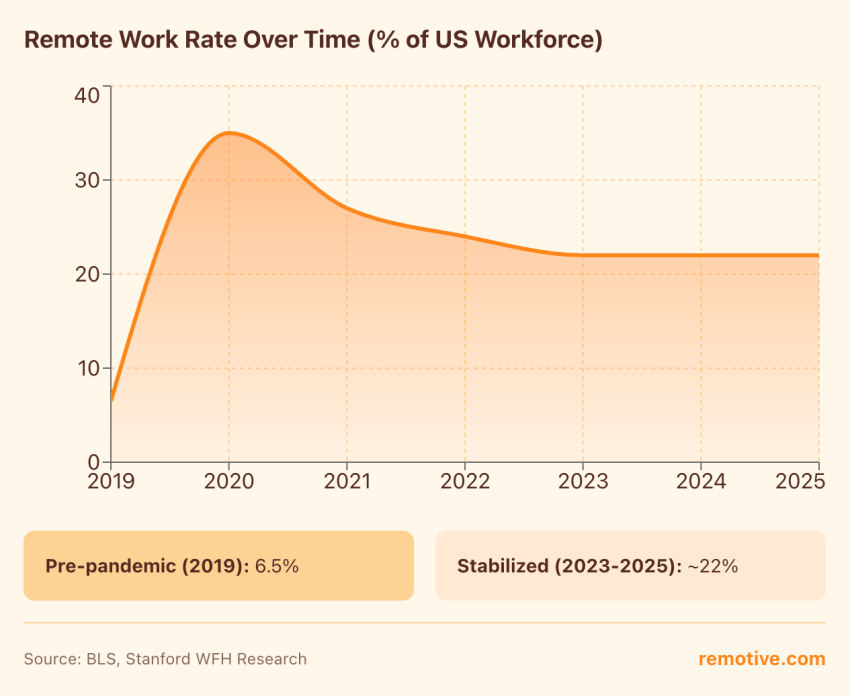
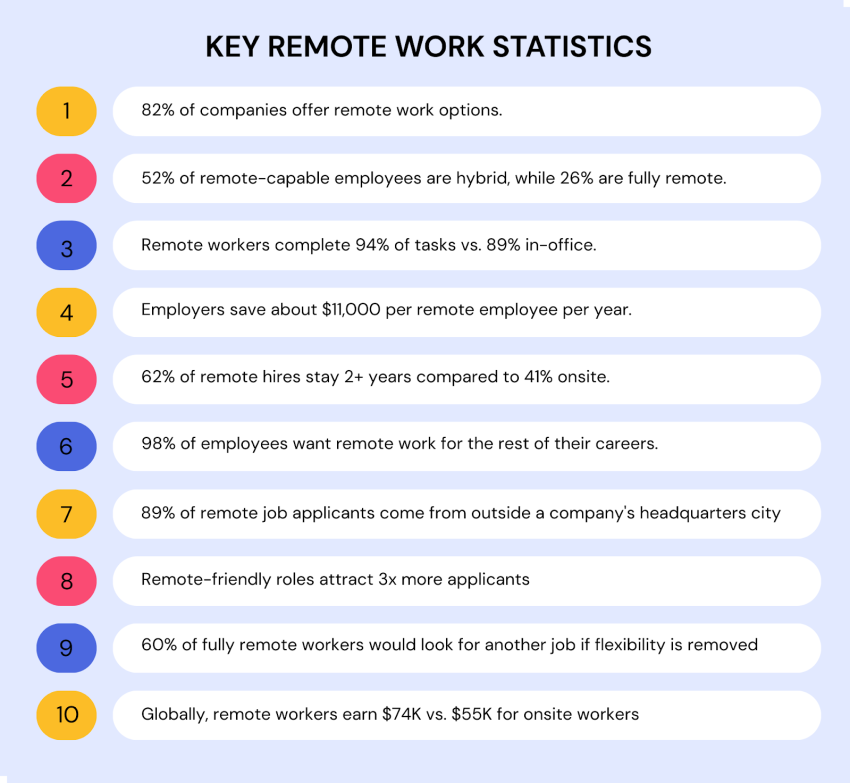
Heading into 2026, the traditional office is no longer the default. Despite a few high-profile return-to-office mandates, the data holds strong: The majority of U.S. employees continue to work at least part of the time remotely, with over 34 million Americans operating fully from home.
But this shift hasn’t been without growing pains. Without the built-in infrastructure of a physical office, the average remote worker now juggles more software applications daily. This rampant tool sprawl leads to app fatigue, notification overload, and deep communication silos that actively hinder productivity.
So, what exactly makes the cut for this list? For this guide, a remote work tool is any cloud-based software designed to replace a physical office function — whether that’s a conference room, a whiteboard, a filing cabinet, or the water cooler.
To help operations and people leaders regain control of their tech stacks, we’ve curated this guide to the 21 essential remote work tools for distributed teams. Covering communication, collaboration, project management, security, and productivity, this list focuses on platforms that integrate smoothly, reduce stack complexity, and make work easier.
Remote work is the operating environment for many workspaces, so remote desktop tools are necessary for bridging the physical gap that team members experience. They support video conferencing, messaging, unified communication, and collaboration, keeping teams connected despite the distance. These tools help teams stay productive, work asynchronously, and manage workloads to prevent burnout.
The defining factor in remote work efficiency usually comes down to one thing: Your tool stack either creates clarity or creates noise.
Key Categories of Remote Work Software
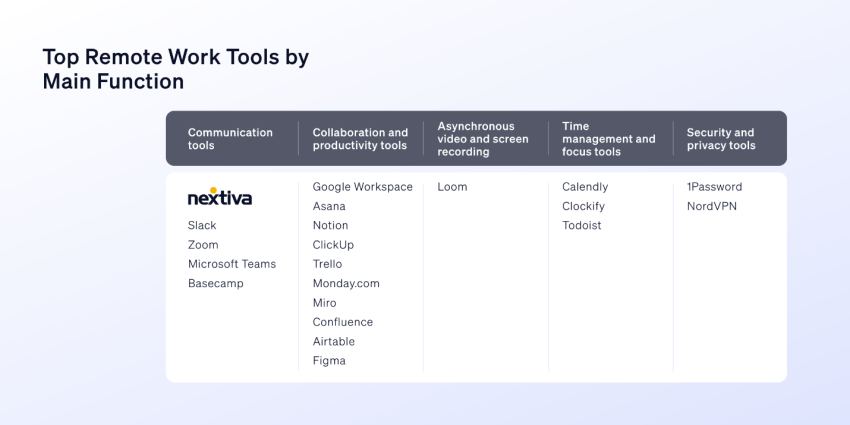
Here’s a simple guide before we get to the tool list. Start by choosing one strong tool per category and consolidate afterward.
| Category | What it’s for |
|---|---|
| Communication tools (e.g., unified communication platforms, video conferencing, and messaging) | Calls, meetings, chat, and SMS |
| Collaboration and productivity tools (e.g., project management tools, whiteboards, and knowledge bases) | Project planning, collaboration, and documentation |
| Asynchronous video and screen recording | Quick updates, walkthroughs, and training |
| Time management and focus tools | Time tracking, focus sessions, and workload visibility |
| Cloud storage and file sharing | Centralized files, version control, and external sharing |
| Security and privacy tools | Password management, access control, and endpoint protection |
Now that you’re clear on what each type of tool is for, here’s a quick by-category comparison of the tools on our list:
Quick at-a-glance comparison table:
| Tool | Category | Key use case |
|---|---|---|
| Nextiva | Unified Communication | Consolidating voice, video, chat, and CX into one platform |
| Slack | Instant Messaging | Channel-based daily team communication |
| Zoom | Video Conferencing | Reliable virtual meetings, client calls, and webinars |
| Loom | Async Video | Screen recording to replace lengthy meetings and emails |
| Google Workspace | Collaboration Suite | Real-time document co-editing and cloud storage |
| Microsoft Teams | Meetings and Collaboration | Hub for teams already using the Microsoft 365 ecosystem |
| Asana | Project Management | Managing complex, multi-step workflows and agile tasks |
| Notion | All-In-One Workspace | Building centralized team wikis and flexible databases |
| ClickUp | PM and Time Tracking | Feature-dense task, goal, and workflow management |
| Trello | Visual Task Management | Drag-and-drop Kanban boards for simple workflows |
| Monday.com | Project Management | Highly visual and scalable cross-functional tracking |
| Miro | Online Whiteboard | Remote brainstorming, design thinking, and sprint planning |
| Basecamp | PM and Communication | Flat-rate, simplified project management without the bloat |
| Confluence | Knowledge Base | Creating searchable internal documentation and project hubs |
| Airtable | Spreadsheet-Powered PM | Tracking projects with database-level flexibility and filters |
| Calendly | Scheduling | Automating external meeting bookings to reduce friction |
| Clockify | Time Tracking | Budget-friendly hours and project monitoring |
| Todoist | Task Management | Lightweight, natural-language personal task organization |
| 1Password | Password Management | Secure credential sharing and access control for teams |
| NordVPN | Security and Privacy | Encrypting connections for workers on public networks |
| Figma | Design Collaboration | Real-time, browser-based product and visual design |
1. Nextiva – unified communication and collaboration
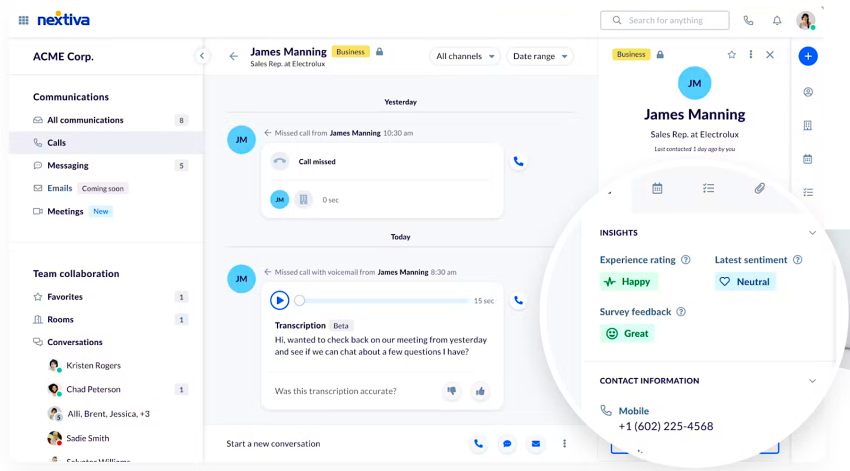
Nextiva brings voice, video, chat, SMS, and contact-center capabilities into one platform, so remote teams can reduce app switching throughout the workday and manage customer conversations in one place.
Key features
- HD voice, video meetings, screen sharing, and team messaging
- Call routing, interactive voice response, call recording, and analytics
- Integrations with Salesforce, HubSpot, and other major customer relationship management (CRM) platforms
- Mobile and desktop apps that support working from anywhere
- Advanced AI-powered transcription, call summaries, and real-time dashboards (available on higher plans)
Pricing
The Core plan starts at $15 per user per month, with Engage and Power Suite CX plans available for advanced routing and AI features.
Best for
Teams that want one platform for calling and collaboration and may later need more advanced omnichannel routing, analytics, and full contact center capabilities.
Considerations
If you only need basic internal chat without external customer communication tools, this platform may offer more features than you need right away.
2. Slack – instant messaging
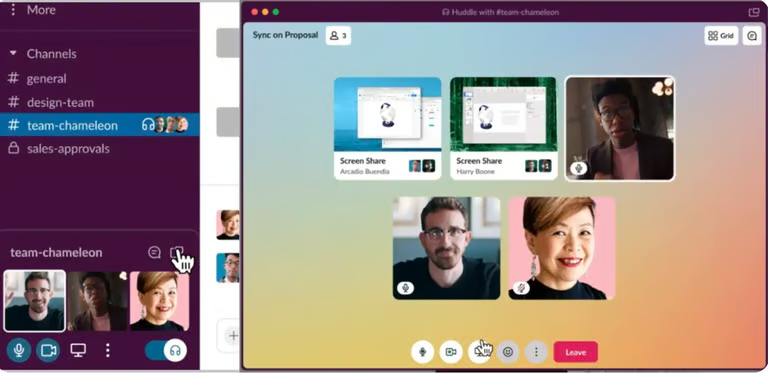
Slack is a popular platform with channels for organizing work, Direct Messages and Huddles for real-time coordination, and integrations. These help reduce reliance on email.
Key features
- Channels and threaded conversations
- Powerful search
- 2,000+ integrations
- Task conversion into messages
Pricing
A free plan is available, with the Pro plan starting at $8.75 per user per month.
Best for
Teams that want transparent, searchable communication, plus instant messaging and call tools.
Considerations
Costs can add up at scale, and notification overload can occur if channels aren’t well-structured.
3. Zoom – video conferencing
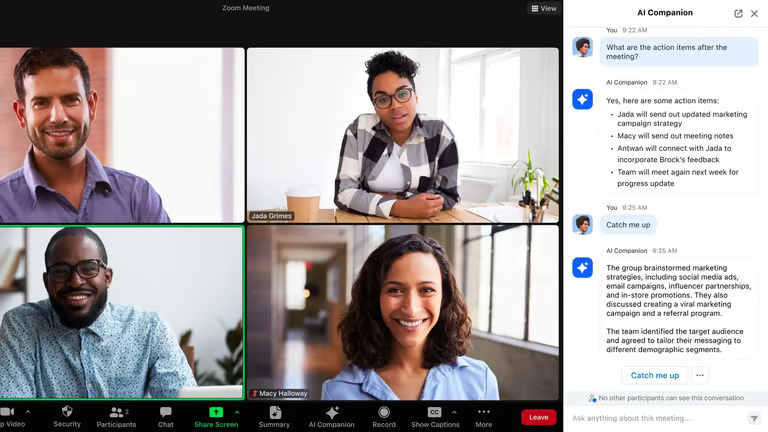
Zoom is the reliable default for virtual meetings, offering stable video calls, screen sharing, recording, and webinar-style sessions.
Key features
- HD video and audio
- Recording and screen sharing
- Breakout rooms for teamwork, workshops, and training
- Calendar integrations
- Zoom Phone
Pricing
A free plan is available, with paid plans beginning at $14.16 per user per month.
Best for
Team meetings, client calls, and webinars.
Considerations
Free tier limits group calls to 40 minutes. Call quality depends on network conditions.
4. Loom – async video messaging

With Loom, team members can record a quick video or webcam walkthrough instead of scheduling another meeting or writing a long email explaining step-by-step procedures.
Key features
- One-click screen or webcam recording
- Viewer comments and video replies, plus time-stamped feedback
- Embeds for tools like Slack and Notion
- AI support for transcripts, summaries, and filler word removal
Pricing
A free plan is available, with the Business plan priced at $18 per user per month.
Best for
Async-heavy teams doing handoffs, product walkthroughs, and feedback loops.
Considerations
Free tier limits can affect storage and video length.
5. Google Workspace – collaboration and productivity suite
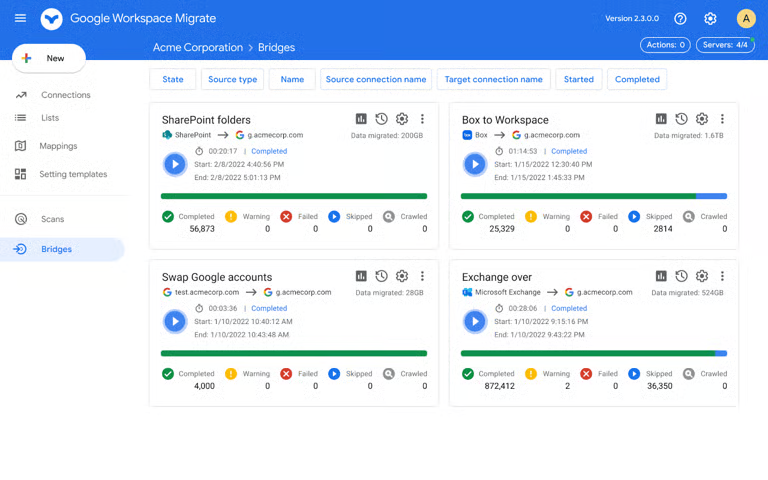
Google Workspace offers connected tools for email, calendar, docs, and storage designed for real-time collaboration.
Key features
- Gmail and Calendar for scheduling and communication
- Docs, Sheets, and Slides with real-time co-editing
- Google Drive storage and file permissions with sharing controls
- Google Meet for built-in video meetings
Pricing
A free plan is available, with the Business Starter option costing $7 per user per month.
Best for
Teams that want a cost-effective, collaborative baseline stack.
Considerations
Some teams prefer Zoom or Teams for more advanced workflows.
6. Microsoft Teams – video meetings and collaboration
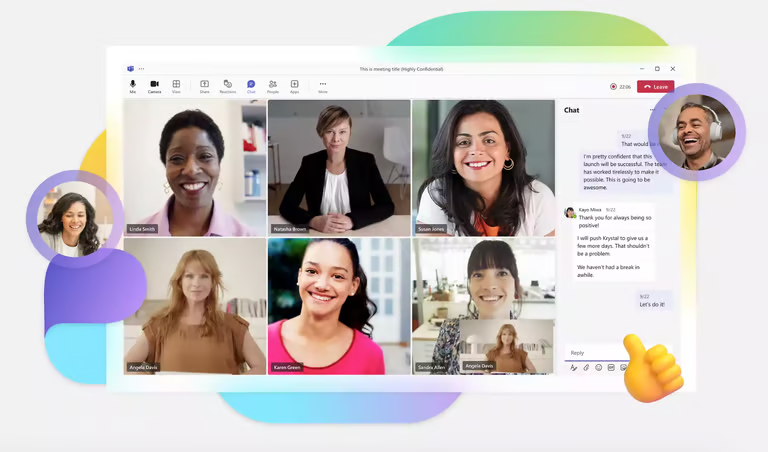
Microsoft Teams is a Microsoft 365-native hub for chat, meetings, and file collaboration tools.
Key features
- Video meetings and screen sharing
- Team chat and channels
- Real-time document collaboration
- Calendar integration and scheduling
Pricing
This plan is included with Microsoft 365 Business Basic, starting at $6 per user per month.
Best for
Teams already using Microsoft 365.
Considerations
New users may find the interface complex.
7. Asana – project and task management
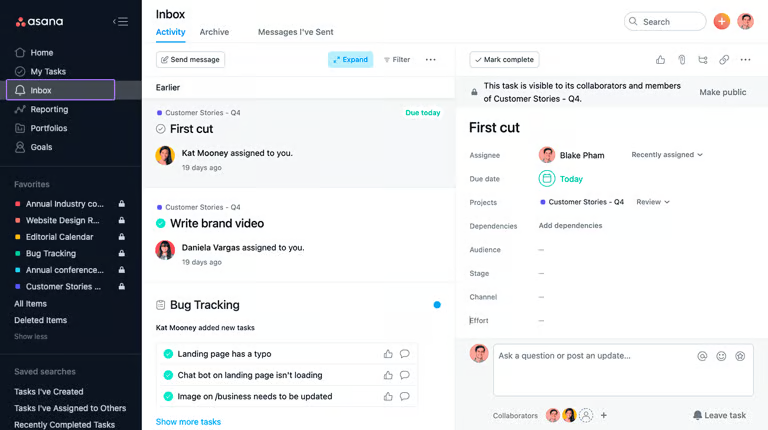
Asana helps teams plan their work, track tasks, and manage complex projects. The tool allows for multiple views and automation.
Key features
- List, board, timeline, and calendar views
- Workflow automation rules
- Agile/Scrum support, custom fields, and reporting dashboards
- 200+ integrations
Pricing
The Personal plan is free, while the Starter plan is $10.99 per user per month.
Best for
Teams managing multi-step workflows and needing flexible project views.
Considerations
Costs can rise quickly for larger teams that need advanced reporting and controls.
8. Notion – all-in-one workspace
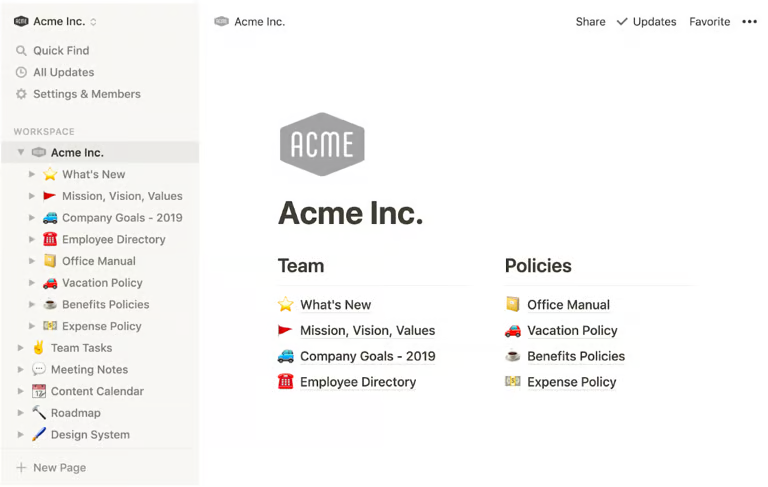
Notion combines notes, docs, wikis, and lightweight project management in one flexible space.
Key features
- Wikis, docs, and databases
- Templates, kanban boards, and project tracking
- Integrations
- Permissions and workspace controls
Pricing
A free plan is available, with the Plus option starting at $10 per member per month.
Best for
Teams looking for one flexible hub that fits in docs, knowledge portals, and light project tracking.
Considerations
Can come with a steep learning curve due to extensive customization options.
9. ClickUp – project management and time tracking
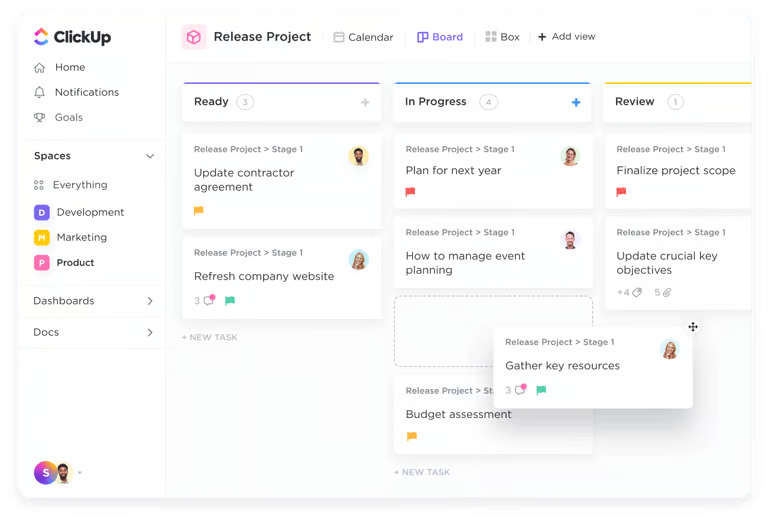
ClickUp is a feature-rich work management platform that combines tasks, docs, goals, and time tracking.
Key features
- Highly customizable views and workflows
- Built-in docs and team collaboration
- Automation and recurring task logic
- Unlimited tasks on every plan
- ClickUp Brain for contextual AI
Pricing
A free plan is available, with the Unlimited option starting at $7 per user per month.
Best for
Teams that want a broad PM toolkit.
Considerations
Feature density can overwhelm new users.
10. Trello – visual task management
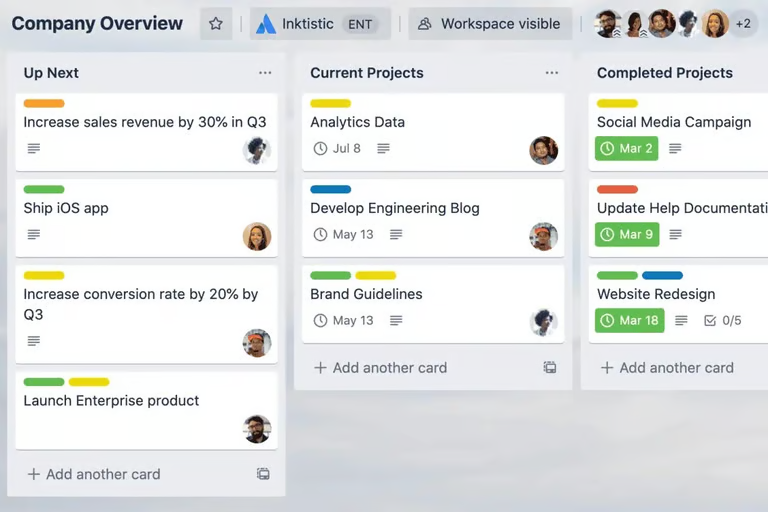
Trello is a simple Kanban-based task manager with drag-and-drop functionality. It offers an easy way to track work.
Key features
- Highly customizable views and workflows
- Templates for quick setup
- Boards, cards, and lists for workflow visibility
- Butler automation
- Power-Ups for integrations
Pricing
A free plan is available, with the Standard plan starting at $5 per user per month.
Best for
Small teams or simple workflows that benefit from a visual board for project tracking.
Considerations
It can get clunky for complex projects.
11. Monday.com – project management
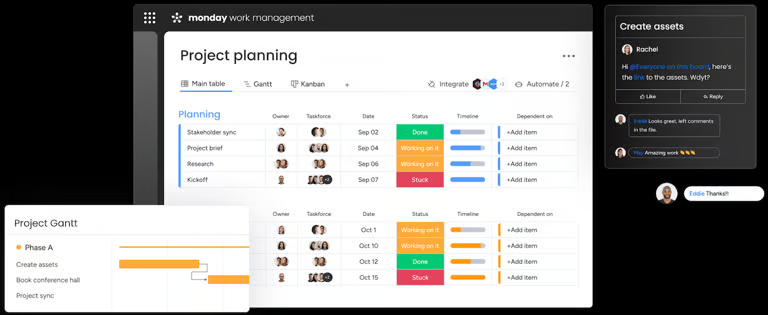
Monday.com is a flexible work OS that helps teams build visual workflows, dashboards, and automation for cross-functional projects.
Key features
- Templates
- Kanban boards, Gantt charts, cards, and lists
- Automation
- Integrations and customizable dashboards
Pricing
A free trial and plan are available, while the Basic option starts at $9 per seat per month.
Best for
Teams that want flexible workflows with strong dashboards and visibility.
Considerations
Costs can rise at scale, especially with advanced features.
12. Miro – online whiteboard and visual collaboration
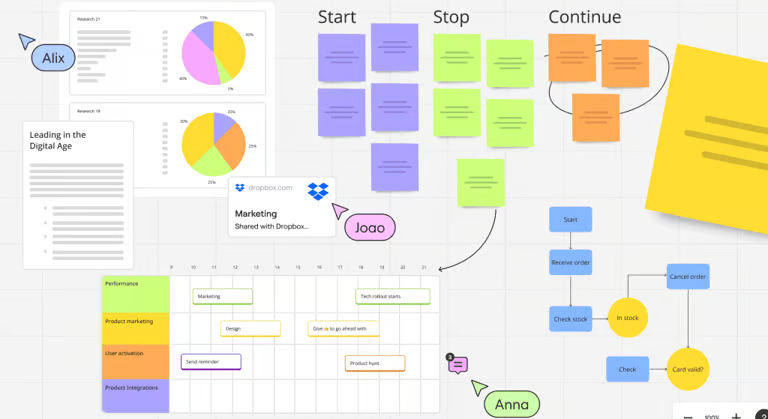
Miro is a collaborative whiteboard for brainstorming and planning, ideal for remote workshops, sprint planning, and design thinking sessions.
Key features
- Infinite canvas with templates
- Sticky notes, diagrams, and mind maps
- Real-time collaboration
- PM and communication tool integrations
Pricing
A free plan is available, with the Starter plan beginning at $8 per member per month.
Best for
Remote workshops, planning sessions, and visual collaboration.
Considerations
Large boards can slow down. Having many editors simultaneously can feel chaotic.
13. Basecamp – team communication and project management
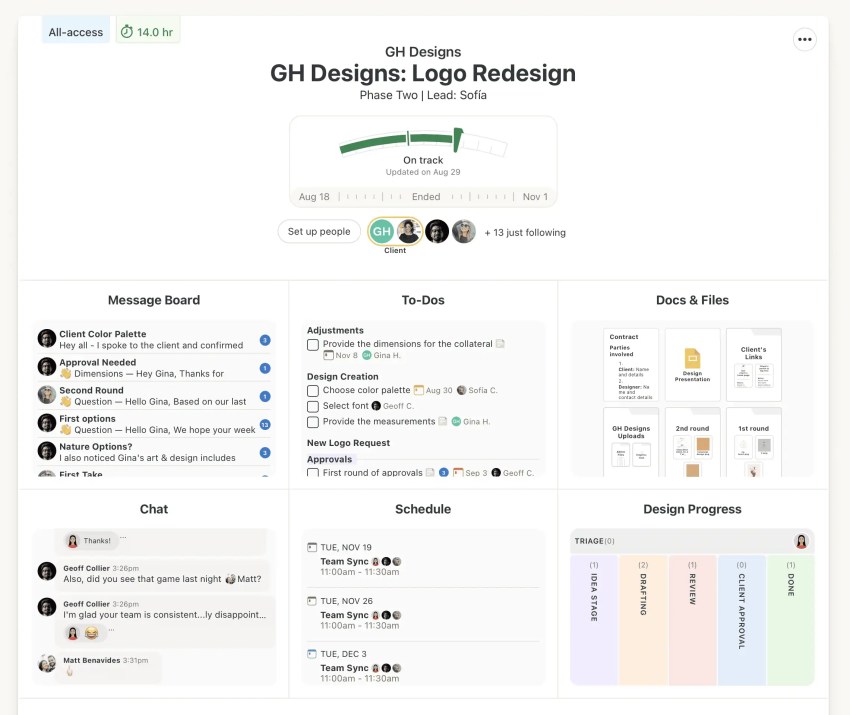
Basecamp is a deliberately simple all-in-one tool that combines message boards, to-dos, schedules, and chat, so that teams can run projects without a complex PM setup or an office phone system.
Key features
- Message boards for team discussions
- To-do lists and assignments
- Automatic check-ins to reduce meetings
- Hill charts for project tracking
Pricing
The Basecamp Plus plan starts at $15 per user monthly, while the Basecamp Pro Unlimited option is available at a flat rate of $299 per month.
Best for
Teams that want simplicity and prefer flat-rate pricing.
Considerations
Less depth for complex PM needs.
14. Confluence – team knowledge base and documentation
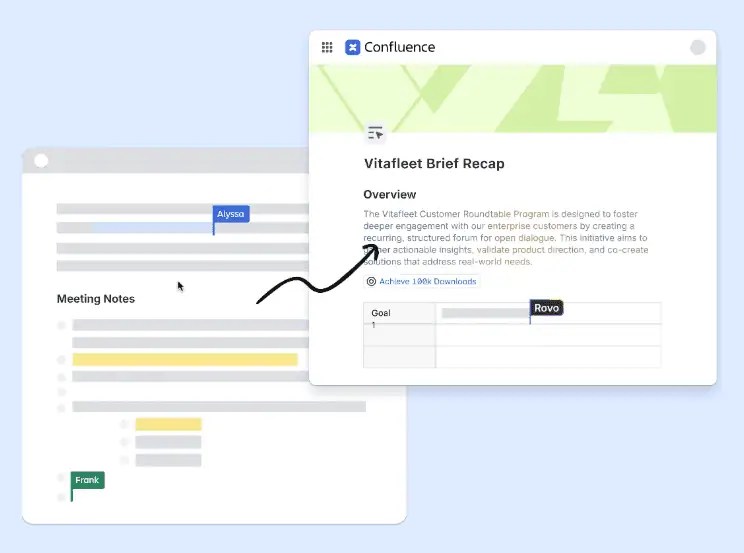
Confluence is built to document internal processes and create searchable hubs, making it easier for distributed teams to find answers.
Key features
- Real-time collaboration features and team hubs
- Version history and page tracking
- Jira, Slack, and Loom integrations
- Templates for quick documentation setup
Pricing
This software is free for up to 10 users, with paid plans starting at $6.70 per user per month.
Best for
Teams that need a centralized, searchable internal knowledge base.
Considerations
The free plan has storage limits.
15. Airtable – spreadsheet-powered project management
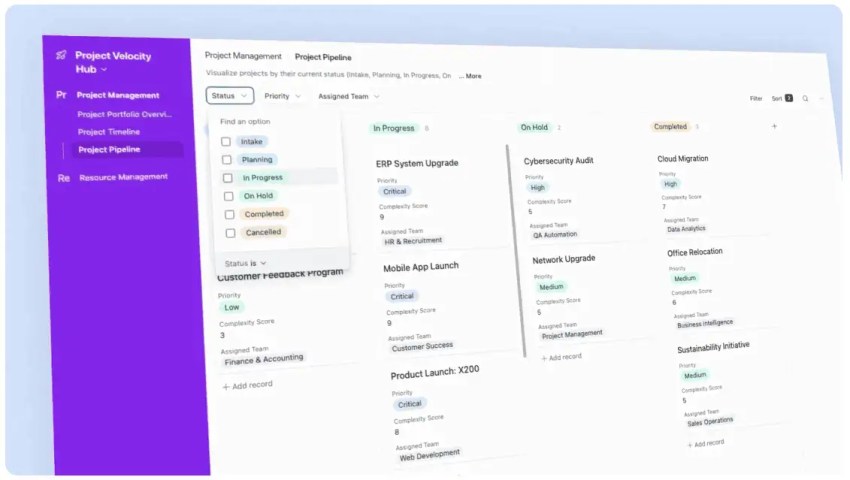
Airtable combines spreadsheet familiarity with database power. It’s great for teams that track projects in Sheets but need more structure, views, and automation.
Key features
- Grid, calendar, kanban, and form views
- Workflow automation
- API for integration support
- Community templates for accelerated onboarding
Pricing
A free plan is available, with paid plans starting at $20 per seat per month.
Best for
Teams that think in spreadsheets but need database-level flexibility.
Considerations
Without governance, views and filters can change unexpectedly. Plus, free plan storage is limited.
16. Calendly – scheduling and meeting management
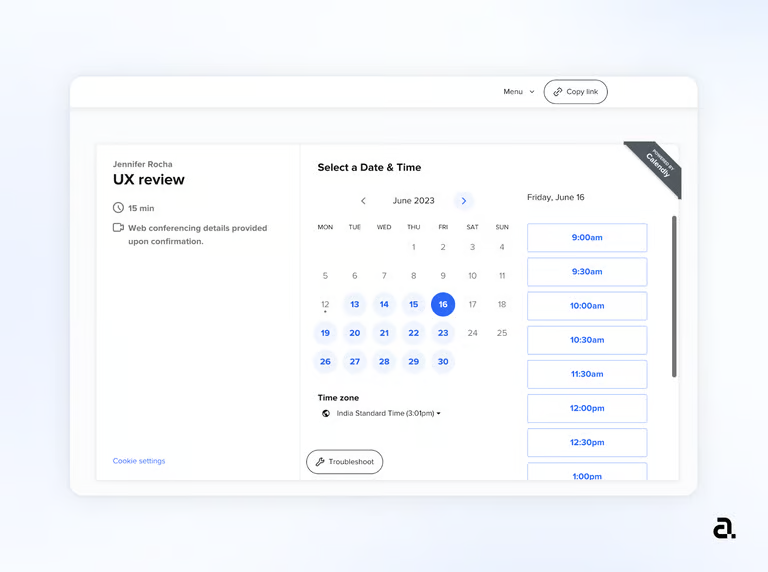
Calendly eliminates scheduling back-and-forth by letting others book time based on your availability rules.
Key features
- Booking links and availability rules
- Calendar integrations with Google and Microsoft
- Automated reminders and follow-ups
Pricing
A free plan is available, with paid plans starting at $10 per seat per month.
Best for
Teams that want to reduce scheduling friction.
Considerations
Advanced routing and workflow controls require paid plans.
17. Clockify – time tracking
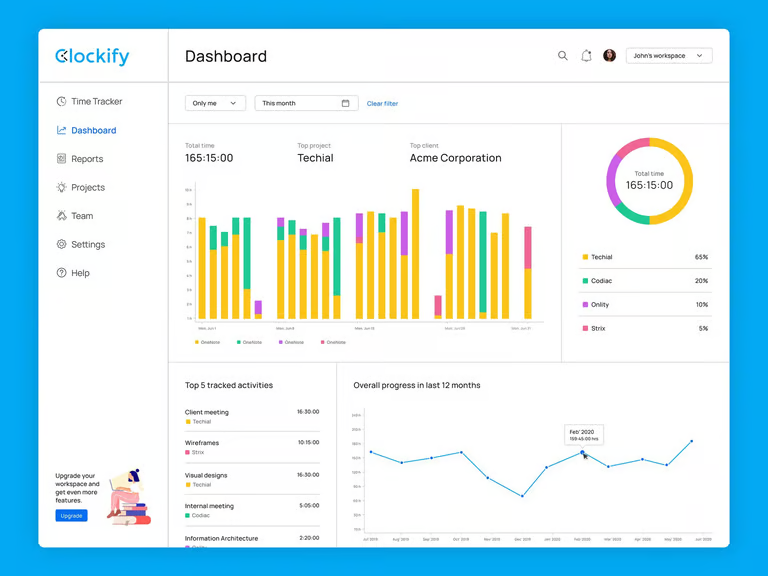
Clockify is a simple time-tracking tool with a generous free plan, making it ideal for teams that need visibility into hours and budgets without high overhead.
Key features
- Manual and timer-based time tracking
- In-depth reports
- Project tracking and categorization
- Integrations with common tools
- Billable rates
Pricing
A free plan is available for unlimited users. The paid plans start at $5.49 per seat per month.
Best for
Freelancers, agencies, and teams that want budget-friendly time tracking.
Considerations
Teams needing deeper customization may want a more advanced option.
18. Todoist – task management and focus
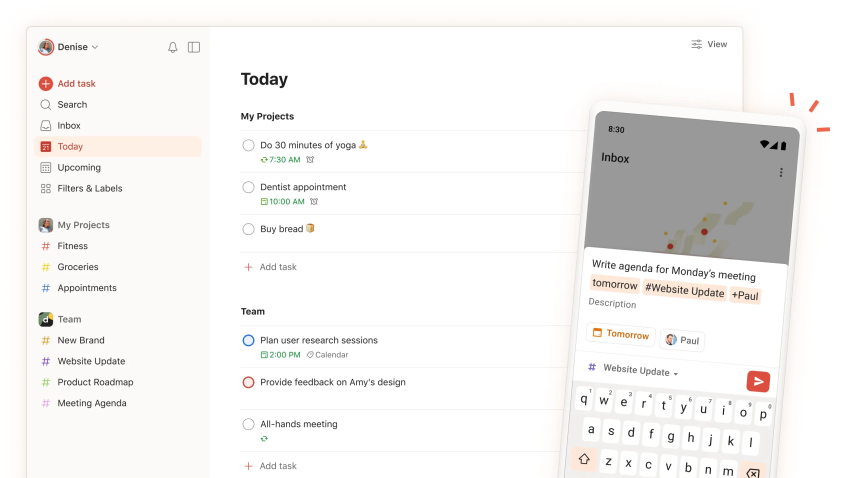
Todoist is a lightweight task manager designed for speed and simplicity, ideal for personal workflows and small-team task tracking without a full PM suite.
Key features
- Natural language task entry
- Recurring tasks and reminders
- Board, list, and calendar views
- 80+ integrations
Pricing
A free plan is available, with the Pro plan starting at $5 per user per month.
Best for
Individual contributors and small teams that want simple task management.
Considerations
No built-in time-tracking or advanced reporting tools.
19. 1Password – password management and security
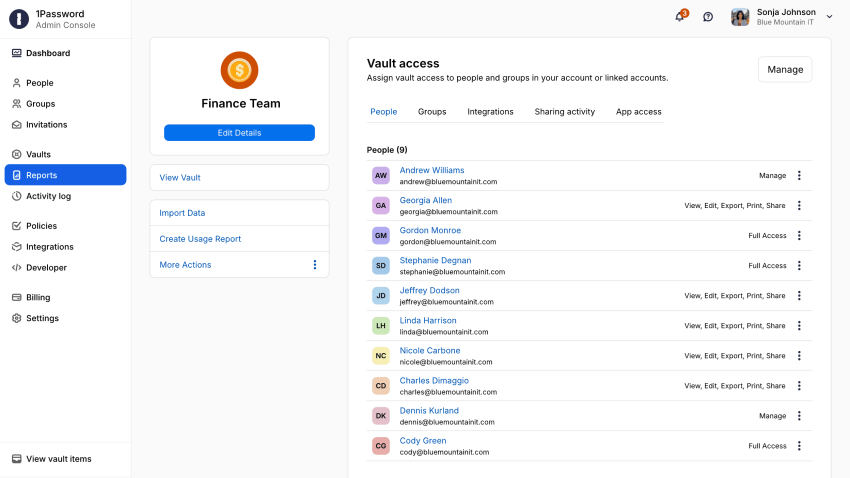
1Password helps teams store and share credentials securely, reducing risk from reused passwords and weak sharing practices.
Key features
- Encrypted vault storage and password generation
- Single sign-on and System for Cross-Domain Identity Management provisioning
- Shared vaults for teams
- Watchtower alerts for compromised credentials
Pricing
The plans for this platform start at $2.99 per user per month.
Best for
Businesses that prioritize secure credential sharing and admin controls.
Considerations
No free team tier.
20. NordVPN – security and privacy
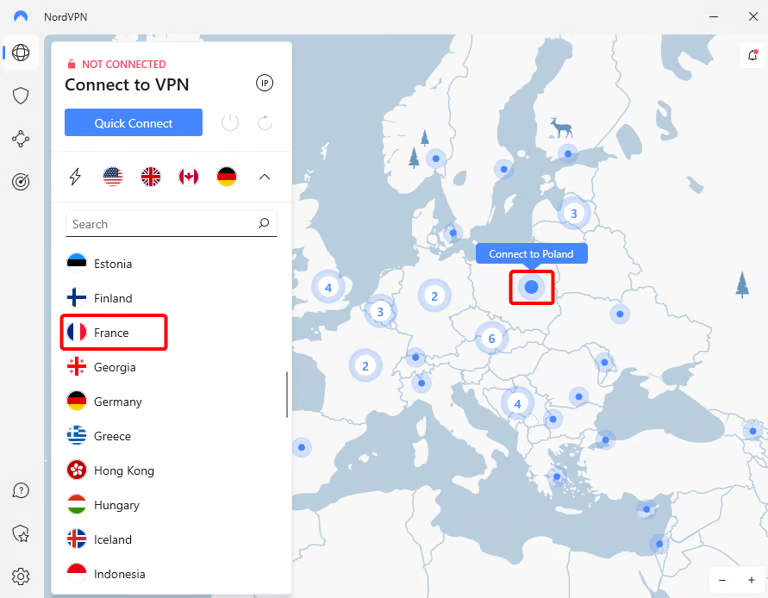
NordVPN encrypts traffic, which is useful for team members who work both at home and in public spaces.
Key features
- Strong encryption
- Kill switch
- Global server network
- No-logs posture
- Split tunneling
Pricing
Business plans are available. The consumer plans range from $4.99 per user monthly to $8.99 per user per month.
Best for
Remote workers who need safer connections on public Wi-Fi, especially when traveling.
Considerations
Adds a layer of security, but it doesn’t replace endpoint security or good credential practices.
21. Figma – design collaboration
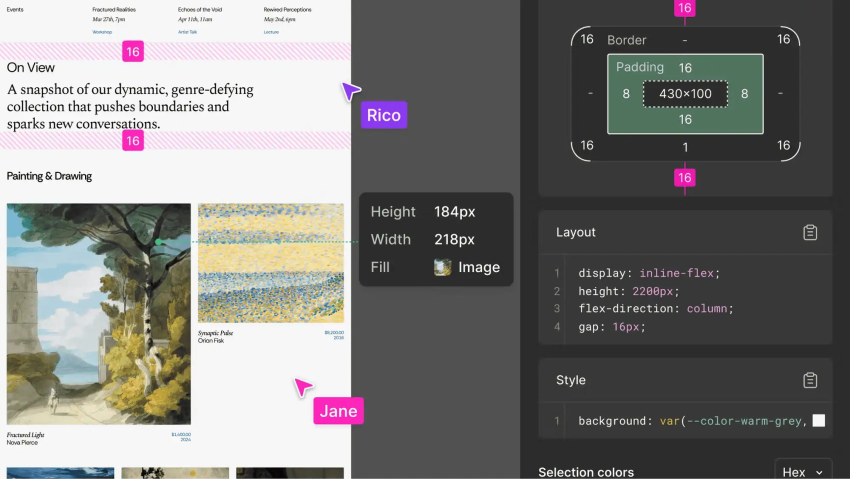
Figma is a browser-based design platform built for real-time collaboration, allowing product and design teams to work on the same file simultaneously.
Key features
- Real-time multiplayer editing
- FigJam for whiteboarding and planning
- Dev mode for smoother handoff
- Component libraries and design systems
Pricing
A free plan is available, with the Professional option starting at $16 per month for a full seat.
Best for
Product, design, and engineering teams that need real-time visual collaboration.
Considerations
Free plan limits projects and version history.
Choosing the Right Remote Work Software
Match tools to how your team actually works, like headcount, time zones, async versus live collaboration, and budget. Prioritize integrations so your stack reduces silos. Begin with communication and project management, then add what fills real gaps.
Involve your team in the selection process, provide training on the tools, and review your stack every six to 12 months. The best remote setup uses the fewest tools that cover the most ground.
Why Nextiva Is the Best Foundation for Remote Work
Most teams end up juggling multiple tools just to communicate, leading to a feeling of fragmented productivity. Nextiva is the best for remote work because it consolidates voice, video, team chat, and SMS in one platform, with built-in contact center features, AI call summaries and transcription, and CRM integrations that keep context visible. Nextiva strives for 99.999% uptime to help remote teams stay connected anywhere.
The most effective remote work stack starts with a communication platform that goes beyond just calls. Nextiva is that platform.
Collab with your team anywhere.
Unify your teams, streamline interactions, and foster engagement with integrated team conversations – no matter where they are.
