



Last Updated on November 20, 2025
Businesses work hard to create smooth and positive experiences, but even the best plans don’t always match what customers actually encounter. That’s why customer experience research and Voice of the Customer (VoC) insights are essential. They reveal what customers think, what they expect, and where friction points appear across the journey.
By focusing on real customer input rather than generic market research, you can make better decisions, improve key interactions, and strengthen customer retention.
This guide walks you through a clear CX research framework you can use to gather qualitative and quantitative insights—and turn them into improvements that matter.
Where does your CX strategy stand with AI?
Take the AI Maturity assessment to get personalized recommendations on how to enhance your CX.
What Is Customer Experience (CX) Research?
Customer experience (CX) research is the process of collecting and analyzing customer feedback, behavior, and interactions to understand how people experience your brand across every touchpoint.
It goes beyond traditional market research by focusing on the actual journey customers take—what works, what creates friction, and what needs improvement.
This research method combines qualitative insights (such as interviews and open-ended feedback) with quantitative data (such as surveys and performance metrics) to help businesses identify patterns, spot issues, and make decisions that improve satisfaction, loyalty, and retention.
CX research vs. market research
Before we move on, let’s get one thing straight, the difference between customer experience research and market research.
Customer experience research focuses on how customers interact with your business across the entire journey. It looks at real behaviors, feedback, and pain points, that drive (or drive away) satisfaction and loyalty.
Traditional market research, on the other hand, centers on the broader market—such as buyer or customer preferences, competitor positioning, demand trends, and brand perception. It helps you understand who your audience is and what they want, but not necessarily how they experience your business in practice.
In simple terms: Market research explains the market. CX research explains your customer’s experience with you.
Types of Customer Experience Research
These are the broader categories—qualitative, quantitative, etc.—that describe what kind of research it is.
Think: “What category or broad bucket does this research fall into?”
The types of CX research include:
- Qualitative research: explores customer motivations, emotions, and perceptions through open-ended feedback such as interviews or observations.
- Quantitative research: uses numerical data from surveys and performance metrics to measure trends, satisfaction levels, and patterns in customer behavior.
- Voice of the Customer (VoC): captures what customers say about their experience through feedback channels like surveys, reviews, and support interactions.
- Journey-based research: examines the full journey through customer journey mapping to identify friction points, gaps, and moments that shape overall satisfaction.
- Operational research: analyzes internal and behavioral data—such as support logs, product usage, or website activity—to understand how customers actually interact with your business.
- Competitive benchmarking: compares your overall customer experience with industry peers to identify strengths, weaknesses, and opportunities for improvement.
- Predictive analytics: uses historical data and patterns to anticipate customer needs, identify risks like churn, and support more proactive decisions.
Why CX Research Is Non-Negotiable for Business Growth
One study found an average return of 301% ROI for customer-experience programs (meaning $1 invested returned about $3).
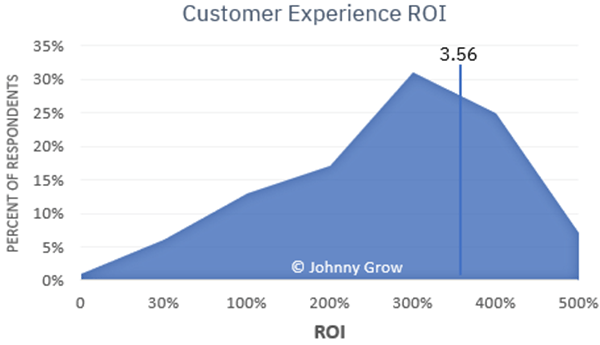
Not only that, but companies that provide exceptional customer experiences increase their revenue up to 80% faster than companies that don’t. This is because a great experience for the customer keeps them coming back, and repeat customers are the best (read: lowest cost) marketing channel.
Key benefits of effective CX research:
- Reduces customer churn by identifying and fixing pain points before they drive customers away.
- Increases loyalty by aligning experience with customer expectations and building stronger relationships.
- Boosts revenue through repeat purchases, upsells, and word-of-mouth referrals.
- Lowers acquisition and support costs because happier customers require less re-work and fewer interventions.
- Improves decision-making by turning raw customer feedback and behavior into usable insights rather than relying on guesswork.
- Strengthens competitive position by helping you deliver an experience that meets or exceeds what customers encounter elsewhere.
How Do You Conduct Customer Experience Research?
The goal is to understand what customers experience at every stage and use that knowledge to improve key interactions. Effective CX research follows a structured process like this one that turns customer feedback and behavioral data analysis into practical insights for your company.
Define Your Scope and Goals
Start by identifying which aspects of the customer experience you most want to understand—such as onboarding, support, renewal, or a specific product area.
You also need to outline the results or goals you want to achieve, because this keeps the research focused and prevents data overwhelm.
Define the Research Question
Create a specific question that guides your approach. Examples could be:
- Where are customers getting stuck during onboarding?
- What factors influence repeat purchases?
- How is your customer support for when they have issues?
- Which touchpoints cause the most friction?
A clear research question means that every method, metric, and interview always ties back to a single purpose.
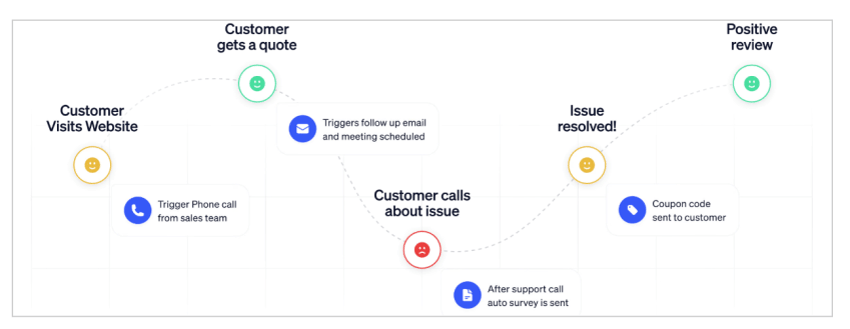
Map the Journey and Identify Gaps
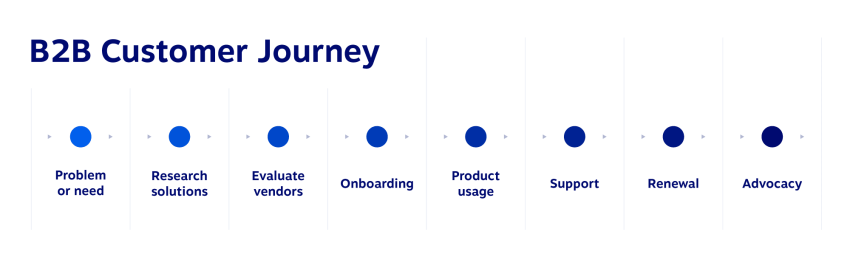
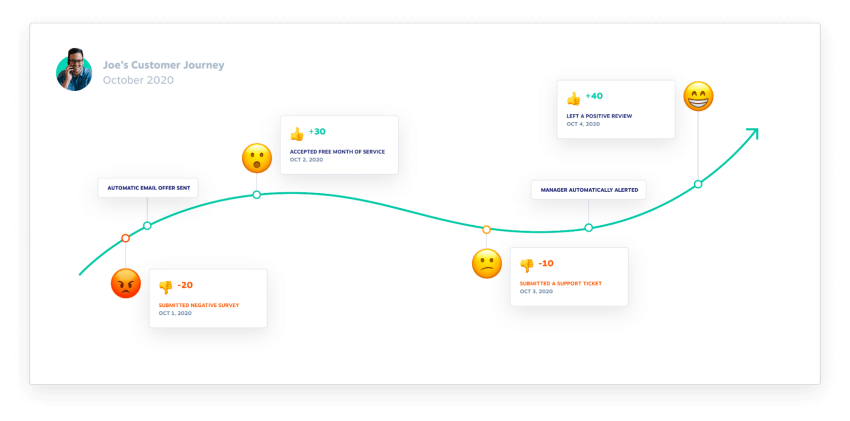
Visualize the current customer journey from end to end. Note the steps customers take, the tools they use, how they reach out for customer service, and the points where they may encounter delays or frustration. This helps you see where to collect data and where the experience may fall short.
Collect Data Using the Right Methods
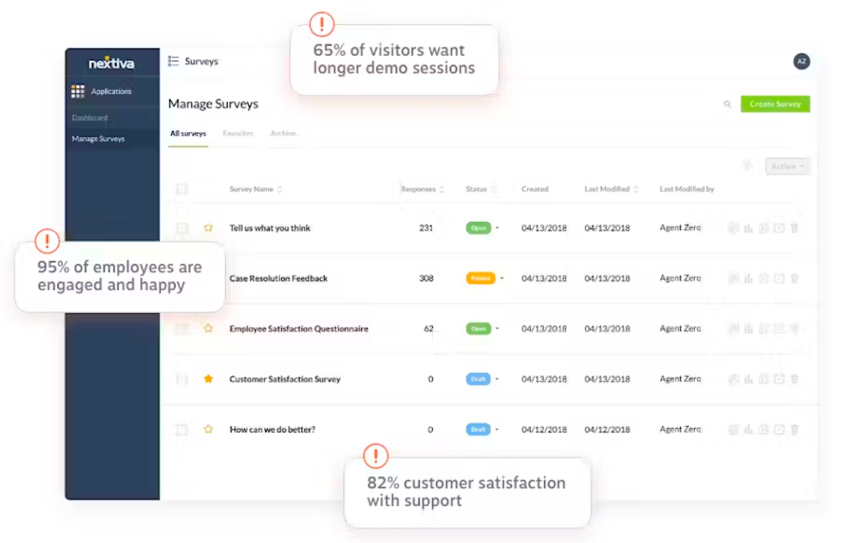
Choose the methods that best answer your research question—such as surveys, interviews, heatmaps, VoC feedback, support transcripts, or analytics. Use both qualitative data and quantitative data to capture a complete picture (which we’ll discuss below).
Analyze Data and Close the Loop
Review patterns, highlight friction points, and prioritize improvements that will have the biggest impact. Share findings with the teams involved, update processes or touchpoints, and communicate changes internally so improvements actually reach the customer.
Core CX Research Techniques
Above, we listed the types or broader categories—qualitative, quantitative, etc.—of customer experience research. These describe what kind of research it is.
The customer experience research techniques, however, are the actual actions or tools you use to collect insights. They describe how you perform the research. Each technique highlights different parts of the customer journey, and combining them gives you the most well-rounded results.
Think: “What techniques do I use to gather data?”
We’ve divided the techniques for CX research into two broader categories, quantitative and qualitative.
The Quantitative CX Toolbox
These quantitative methods should be in your collection of techniques.
NPS (Net Promoter Score)
Measures how likely customers are to recommend your business.
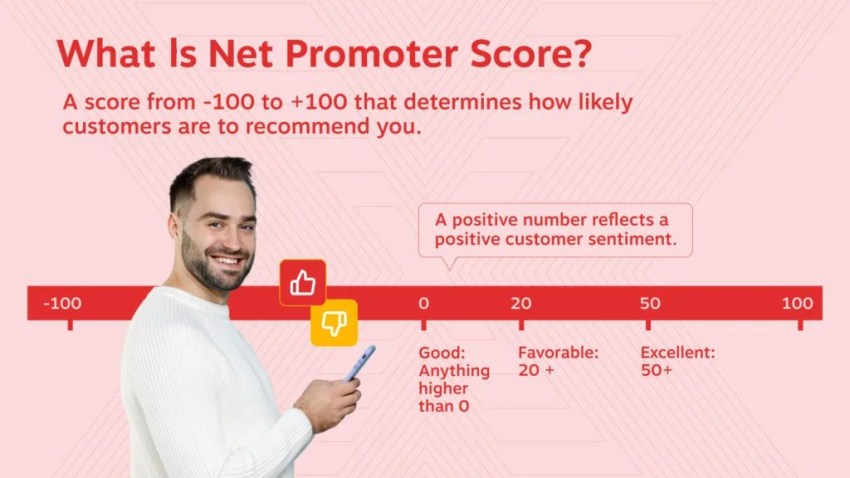
Use cases: tracking long-term customer loyalty, identifying customers at risk of churn, measuring the impact of product or service changes on overall customer sentiment.
CSAT (Customer Satisfaction Score)
Captures satisfaction with a specific customer interaction or moment.
Use cases: evaluating support interactions, testing new onboarding steps, measuring satisfaction after product updates or feature releases.
CES (Customer Effort Score)
Assesses how easy or difficult it was for customers to complete an action.
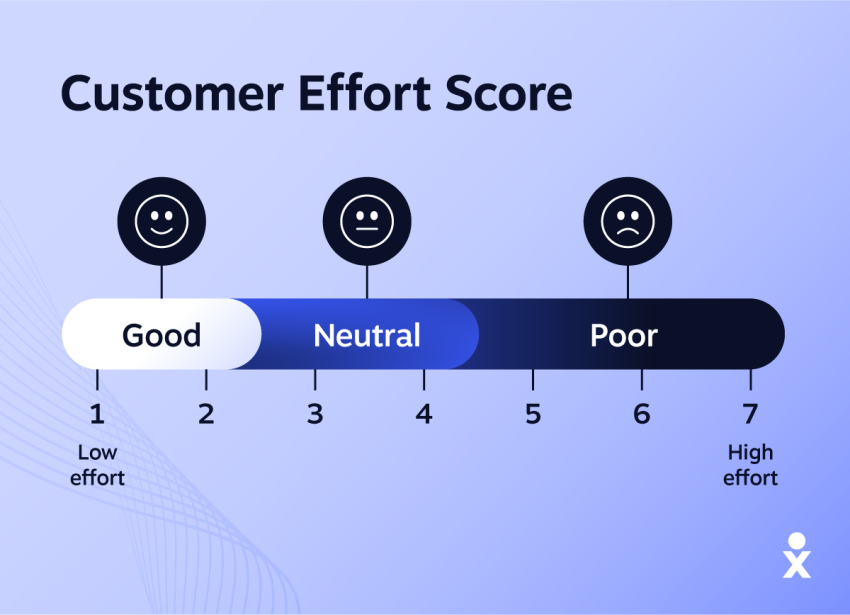
Use cases: identifying friction in checkout flows, spotting confusing self-service steps, improving support processes that require multiple hand-offs.
The Qualitative CX Toolbox
These qualitative methods should be among your core approaches.
Customer Interviews
One-on-one, in-depth conversations that reveal motivation forces, expectations, and customer pain points.
Use cases: exploring reasons behind churn, understanding how customers use key features, uncovering unmet needs before developing new offerings.
Group discussions or online community input that highlight shared experiences and recurring themes.
Use cases: testing messaging or feature concepts, evaluating proposed improvements, gathering reactions to new designs or workflows.
Speech and Text Analytics
Analysis of written or spoken feedback from reviews, transcripts, surveys, or chats.
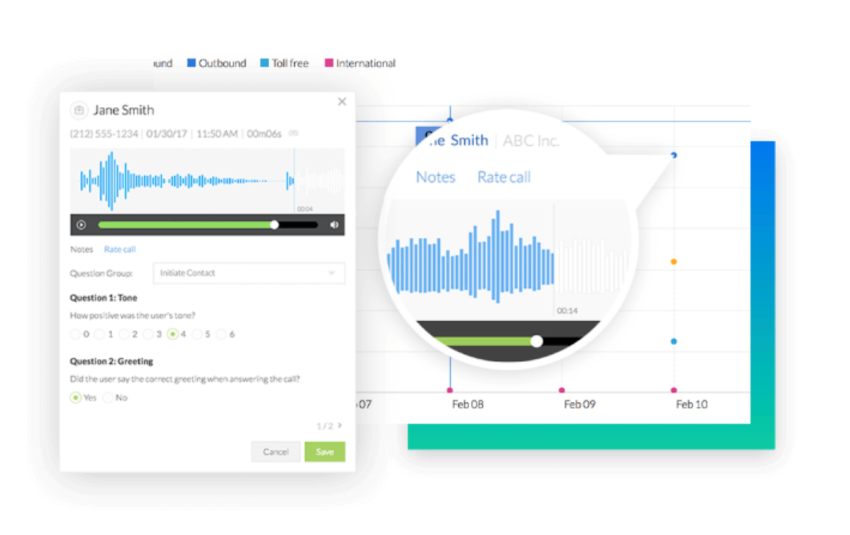
Use cases: identifying common support issues, monitoring sentiment over time, spotting emerging trends in customer complaints or feature requests.
Challenges of Customer Experience Research
Customer experience research delivers very useful insights, but you must know what you are doing. Several common obstacles can hinder the accuracy of your findings if they aren’t caught early.
Here are some common challenges to keep an eye open for.
Collecting reliable data
Many customers skip surveys, give very short answers, or only respond when something goes wrong, which can skew the results.
Example: A post-support survey only gets responses from frustrated customers, not the ones who had a great experience, which falsely inflates negative scores.
How to overcome it: Use shorter surveys, target smaller segments, and offer multiple feedback channels to increase participation.
Interpreting conflicting insights
Different data sources may tell different stories, and it’s not always clear which customer insight represent the bigger issue.
Example: Survey responses say onboarding is smooth, but support tickets show many new customers struggling.
How to overcome it: Compare trends across sources and focus on patterns that appear consistently.
Connecting feedback to the right part of the journey
Without a clear journey map, it’s hard to know where a problem begins or which team owns the solution.
Example: Customers complain about billing errors, but the root cause is outdated account information collected during onboarding.
How to overcome it: Maintain an accurate journey map and link all feedback to specific interactions.
Ensuring cross-team collaboration
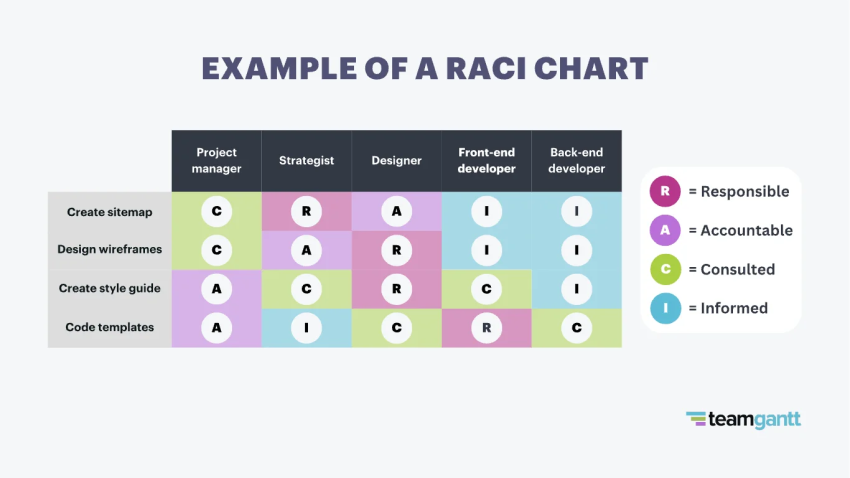
CX insights often touch product, support, marketing, and operations, which means that improvements can stall when all the teams don’t coordinate.
Example: Product wants to launch a feature change, but support is already managing a backlog from recent updates.
How to overcome it: Share CX findings regularly and assign clear owners for each improvement.
Acting on insights in a timely way
Even when issues are identified, long internal processes or limited resources can delay changes.
Example: Customers consistently ask for a simpler checkout step, but updates keep getting pushed back in the development queue.
How to overcome it: Prioritize fixes by impact and start with small improvements that can be delivered quickly.
Measuring the impact of improvements
CX changes don’t always show immediate results, which makes it hard to confirm what actually helped.
Example: After improving onboarding content, satisfaction rises, but retention stays flat—leaving questions about what moved the needle.
How to overcome it: Track a small set of clear CX metrics and compare before-and-after results over time.
The Future of Customer Experience Research
Like everything else, customer experience research evolves quickly as new technologies change how customers interact with businesses. The next wave of CX insights will come from tools that capture real-time behavior, understand natural language, and surface trends automatically.
AI-driven insight discovery
Artificial intelligence will play a larger role in analyzing large volumes of feedback, spotting recurring themes, and highlighting issues before they escalate.
This helps teams react faster and base decisions on patterns that would be hard to detect manually.
Voice and conversational interfaces
As more customers use voice assistants and AI receptionists, chatbots, and messaging apps, businesses will gain valuable insight from natural conversations.
These interactions reveal tone, intent, and sentiment that traditional customer surveys may miss.
Real-time feedback collection
Future CX tools will gather insights the moment an interaction happens—whether during a chat session, a phone call, or an in-product action.
This reduces recall bias and shows exactly where friction occurs.
Greater focus on emotion and intent
Advances in text and speech analysis will make it easier to understand customer emotions, urgency, and expectations.
This gives teams a clearer view of how customers truly feel during key moments.

Deeper integration across systems
Customer feedback will flow more smoothly between CRM platforms, support tools, and analytics systems.
This helps businesses connect feedback to specific actions, teams, and customer segments.
More predictive and proactive CX
Predictive models will help forecast issues like churn, identify customers who need support, and recommend improvements before problems spread.
This means that instead of reacting to feedback, companies will anticipate it.
Your Customer Data in One View With Nextiva
Conducting in-depth customer research is essential to fully understand your VoC and improving your customer support. And today, a strong customer experience is a powerful differentiator, giving you a distinct competitive advantage.
Nextiva’s easy-to-use platform can make CX research a breeze. It can help you gain more insight into your customer relationships and get a deeper understanding of the entire customer journey, allowing you to attract new customers and foster stronger brand loyalty.
We offer team collaboration features, detailed analytics, and integrations with key providers for an omnichannel experience.
The CX platform customers love.
Predict your customer’s needs in real time with AI-powered sales, service, and marketing. Deliver a personalized customer experience at scale.
FAQs
Customer experience research is the process of collecting and analyzing customer feedback and behavior to understand how people interact with your business across the entire journey. It helps identify friction points, expectations, and opportunities to improve satisfaction and loyalty.
Some frameworks use slight variations, but the 4 P’s of customer experience typically refer to:
Promptness: Responding quickly to customer needs and inquiries so that they feel their time is respected.
Politeness: Treating every customer with warmth, courtesy, and respect, which creates a positive, and memorable, rapport.
Professionalism: Maintaining a high standard of conduct and competence, providing reliable and knowledgeable service at all times.
Personalization: Tailoring interactions and solutions to the individual needs and preferences of each customer, which makes them feel valued.
A CX researcher is a professional who studies customer behavior, feedback, and interactions to understand how customers experience a business. They use qualitative and quantitative methods to uncover issues, identify opportunities, and guide teams toward improvements that strengthen satisfaction and retention.
CX research examines the entire end-to-end customer journey—including support, sales, onboarding, product use, and brand interactions.
UX research focuses specifically on how users interact with a product or interface, such as a website or app.
In other words, CX is relationship-focused, while UX is product-focused.
