



If you lead a contact center, your biggest challenge isn’t just monitoring calls but making sure your employees have the expertise and emotional support to deliver excellent service.
Balancing consistent performance, timely feedback, and preventing team burnout is nearly impossible without the right technology. Contact center coaching software has evolved from a simple recording tool to a sophisticated, AI-powered platform. Here’s how you can use it to improve your contact center’s performance.
In traditional call centers, coaching was a retrospective process. Managers would listen to randomly selected recordings days later, fill out an evaluation form, and provide feedback long after the context of the conversation had been forgotten.
Contact center coaching software is changing this approach. Its integrated technology suite uses artificial intelligence (AI) and natural language processing (NLP) to analyze a large volume of customer interactions, not just a 2% sample. It captures data from phone calls, live chats, and emails to identify patterns in employee behavior, customer satisfaction, and technical accuracy.
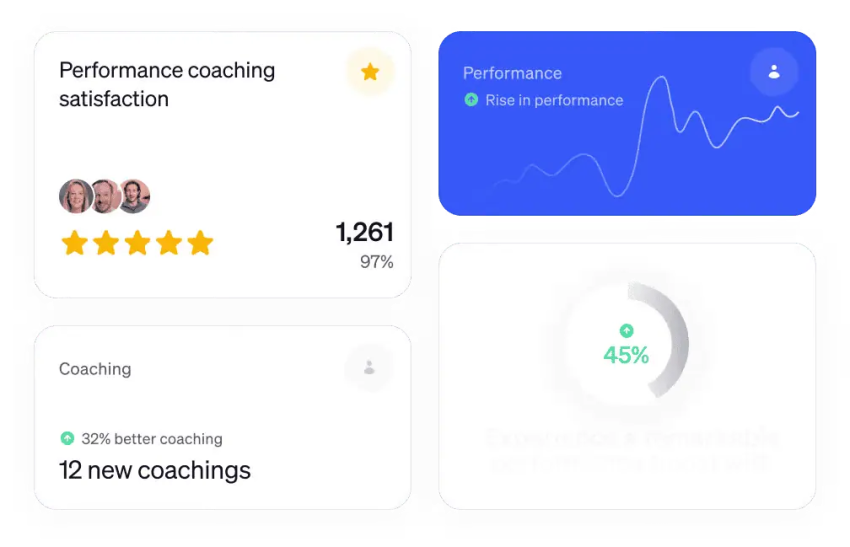
Coaching software now acts as a digital co-pilot, not only uncovering errors but also identifying best-practice behaviors from top performers and creating a plan to establish that excellence across the entire team. With its central performance data platform, it bridges the gap between mere metrics and individual employee development.
Key Functions of a High-Performance Coaching Software
To remain competitive, your coaching solution must go beyond simple recording and should deliver immediate value.
1) Automated AI insights & sentiment analysis
Manually reviewing calls is a bottleneck. AI-powered coaching tools automatically transcribe customer interactions and use sentiment analysis to capture the tone of the conversation.
The software can instantly flag a call where a customer’s tone of voice has shifted from neutral to frustrated, or highlight an agent who successfully used empathy to de-escalate a tense situation. This allows contact center managers to skip the search and get straight to the solution.
2) Dynamic agent scorecards & transparency
Traditional scorecards were perceived as punitive. Modern scorecards are dynamic and transparent.
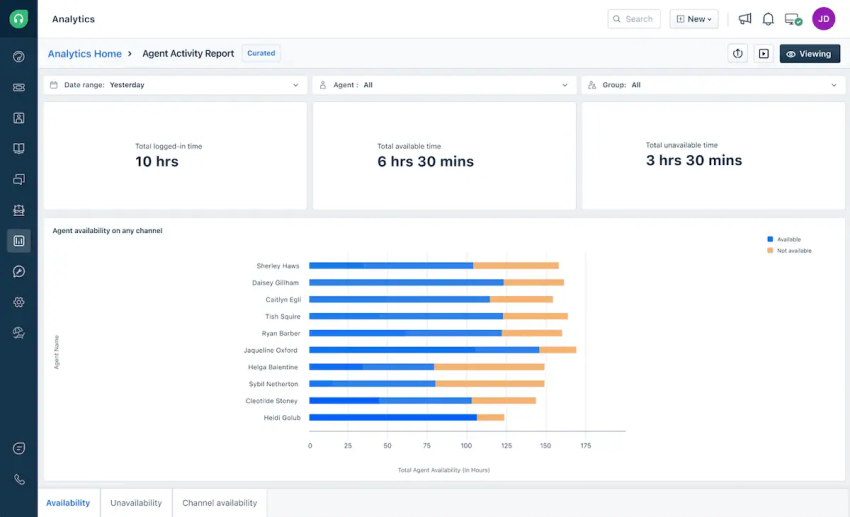
Agents have their own dashboards where they can track their KPIs (such as customer satisfaction or first-call resolution rate) in real time. By making these metrics more engaging with badges or progress bars, professional development becomes a self-directed activity rather than a top-down mandate.
3) Real-time Agent Assist
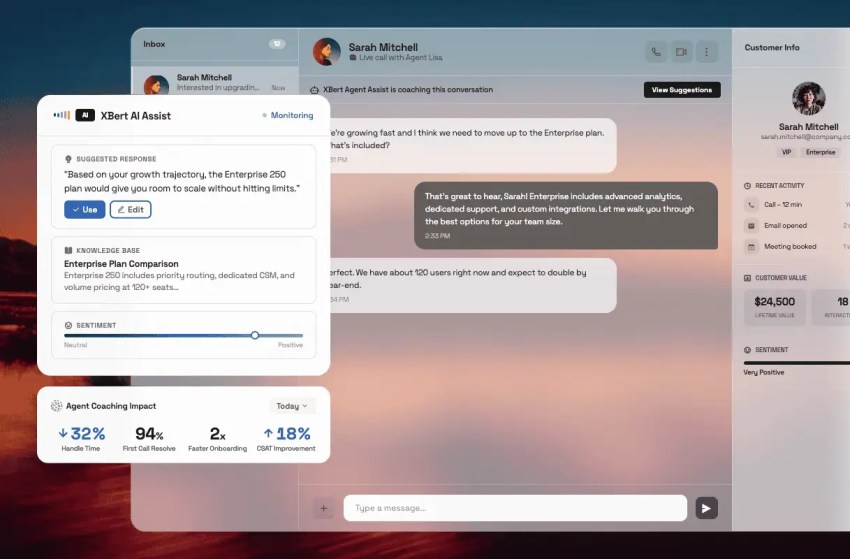
This is the hallmark of a new-age call center. Real-time coaching uses live listening to provide helpful feedback to the agent during the call.
If an agent speaks too quickly or misses a mandatory compliance statement, a subtle reminder appears on their screen. This just-in-time training prevents errors before they happen, boosts agent confidence, and reduces the need for manager intervention.
4) Integrated learning management system (LMS) & microlearning
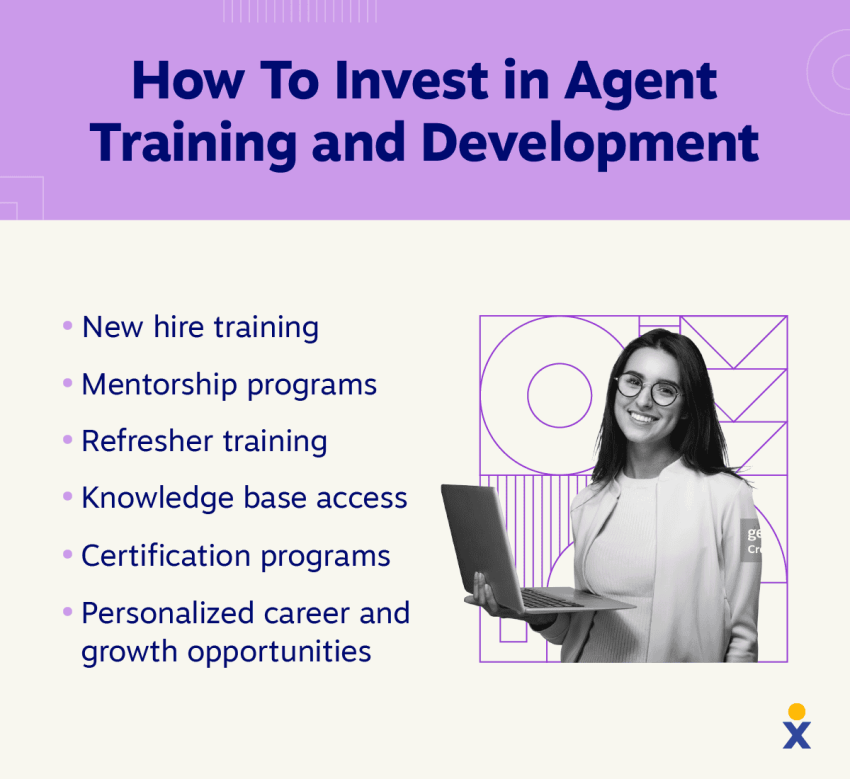
Data is useless if it doesn’t lead to behavioral change. The best coaching platforms integrate directly with a learning management system (LMS).
If the software detects a recurring problem — for example, difficulty explaining a specific product feature — it automatically plays a two-minute microlearning video in the agent’s queue. This keeps training relevant, timely, and easy to understand.
5) Goal setting and progress tracking
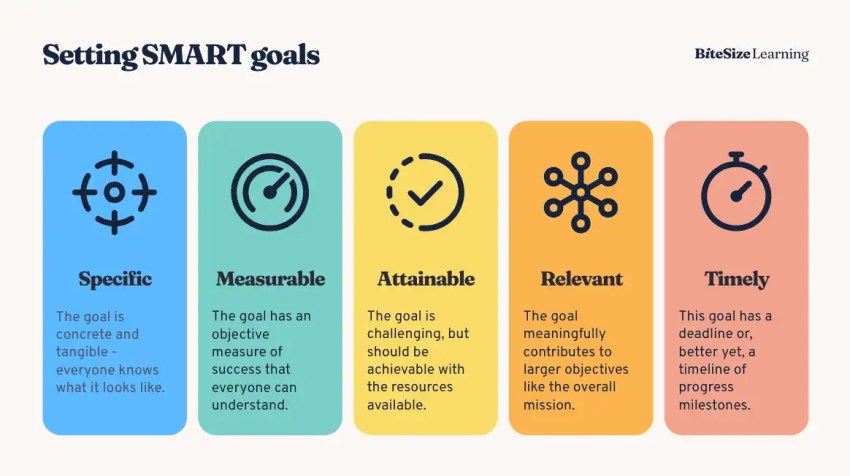
Growth requires a roadmap. Coaching solutions enable managers to set goals together with their agents and track their progress over several months.
Instead of focusing on a single missed call, you can look at a 90-day trend. This long-term perspective helps identify which employees are ready for a promotion and which need a different kind of support.
Now that we understand what features contact center coaching tools offer, it’s time to look a little closer at the various benefits they provide. How can your call center benefit from coaching?
Improved agent performance
One of the first and most important benefits is the overall improvement in agent performance. When agents receive consistent, targeted coaching, they’ll improve their communication skills, first-call resolution rates, and customer satisfaction. While this is an obvious and direct result of coaching, its value cannot be overstated.
Personalized feedback
Not only can coaching software help call center agents with their training, but it also provides personalized feedback that’s tailored to each agent. Every agent receives specific guidance and training based on their performance, addressing their strengths and areas for improvement. This helps them home in on their areas for growth.
Reduced agent turnover
When agents are consistently receiving feedback and support to help them grow, their satisfaction tends to improve significantly. This reduces burnout and increases retention, helping to ensure that your agents will stick around.

Improved productivity
Coaching software can help agents become more efficient. Identifying bottlenecks and performance issues allows contact center supervisors and agents to address problems and find areas for growth, making calls and agents more efficient and productive.
Scalable coaching
Coaching is important for agent growth, but individual managers can only help train so many call center agents at once. Coaching software solves this issue by automating many aspects of coaching and providing agents with feedback directly, thus allowing managers to scale their efforts and coach larger teams more effectively.
Data-driven decision-making
Data is king, as the saying goes, and having the right data to guide your coaching can have a significant positive impact on your contact center.
Coaching software uses data from actual calls to provide objective, actionable feedback, free from guesswork and personal bias. This provides a clear heading for training and management, helping supervisors make better, informed decisions.
Trackable progress
When agents receive coaching and guidance, the results are clear. Coaching software includes metrics and KPIs that let managers track agent performance so they can see the results of the agents’ training and monitor their growth over time.
With all that said, coaching software isn’t all-powerful. There are still several limitations that organizations will want to be aware of, both in terms of the technology and how contact centers use it. These are a few potential issues to watch out for:
Over-reliance on technology
While coaching software is useful, it can’t replicate or replace the human element of coaching. Many interactions require a human touch, so managers must still speak to and work with their agents throughout the training and coaching process.
Those who step back and try to let the software handle everything won’t see the same benefits as those who work with their agents throughout the coaching process.
Initial setup and integration
Contact center coaching software is not a plug-and-play solution. Setting it up and integrating it with other systems can be a time-consuming process — potentially even costly, depending on the technology.
You’ll want to integrate your coaching software with your customer relationship management (CRM) solutions, learning management system (LMS), and more, so understanding what tools must connect and work together is vital.
Data overload
The good news is that contact center coaching software can gather vast quantities of data on agent performance, customer satisfaction, and the overall health of the contact center.
The bad news is that managers have a lot of information to work with.
Too much data can be overwhelming, especially if the software isn’t optimized to highlight key performance areas. Managers can quickly be overwhelmed by all the metrics and stats to monitor, which means the contact centers aren’t benefiting from the insights.
Agent resistance
While coaching and guidance are important, agents also don’t want to feel like they’re being constantly monitored and micromanaged. Coaching software needs to be carefully implemented, and agents must understand exactly how it’s designed to help and what it monitors.
Otherwise, they may feel like they’re constantly being watched and judged by an unfeeling digital supervisor, which is detrimental to employee morale and satisfaction.
If you want to gain all the benefits of contact center coaching software, you need to understand and adhere to the best practices. Following these steps will help your contact centers make the most of the investment:
Set clear objectives
First, you need to establish clear and specific goals for both agents and managers. Are you aiming to improve first-call resolution? Is your objective to reduce the average call handle time?
Whatever you want to improve, your entire team must be aware and on board.
Coach on what agents can influence
Even the greatest agents in the world will still struggle with unreasonable customers or technological issues outside of their control.
It’s important to focus on the metrics that align with what agents can control and are directly responsible for — those are the performance indicators you can and should address with coaching.
Encourage self-assessment
Agents should be empowered to take charge of their self-improvement rather than being told what they need to improve.
Allowing agents to review their performance data and set personal goals gives them more ownership of their development, making them more invested in their own training.
Recognize and reward progress
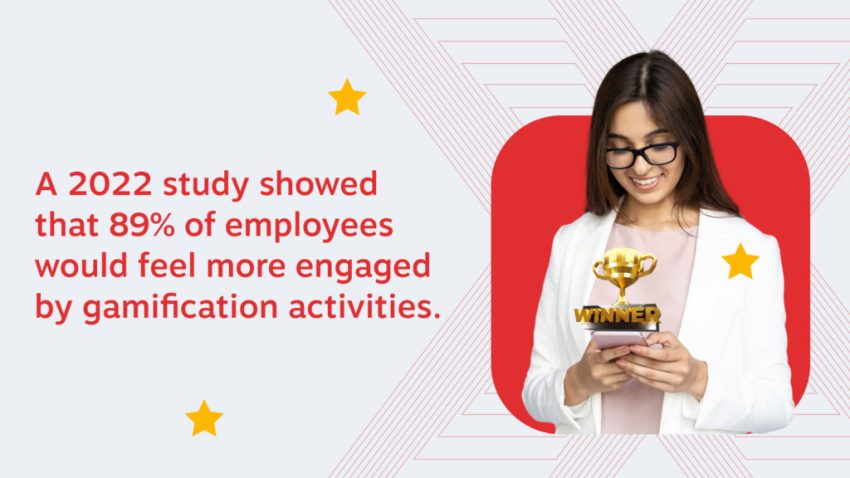
Growth without recognition often feels empty. Agents should be acknowledged and rewarded for their improvements, as this boosts morale and motivates them to continue developing their skills. Using gamification to incentivize your employees can be a fun way to reward their hard work.
If you’re struggling with employee burnout, high turnover, or inconsistent customer experiences, the problem is usually not with your people, but with your platform. Nextiva offers the unified communications (UCaaS) and contact center (CCaaS) tools you need to turn every interaction into a coaching opportunity.
With Nextiva, you get more than just a dialer; you get a comprehensive intelligence suite:
- Real-time sentiment analysis: Instantly understand the mood of your callers.
- Automated transcripts and summaries: Eliminate manual note-taking so your agents can focus on personal interaction.
- Native CRM integrations: Customer history, call data, and coaching scorecards all in one window.
- Workforce engagement management: Optimize your staffing needs and employee development to prevent burnout.
Nextiva provides you with the insights to delight your customers and the tools to support your team at every stage.
Wow customers every day. Learn more about Nextiva. 👇
Call Center Solutions
Take more customer calls with fewer agents. Run your call center in the cloud today.
