



Customer service teams connect with customers through live chat, email threads, and social media messages. Yet the phone is still the most important channel. In 2026, a phone call carries more weight, and it’s no longer a basic communication tool.
Businesses need coordinated, intelligent call management. Agents must respond quickly and with full customer context to improve customer satisfaction. Customers call only when they face an urgent issue, a complicated problem, or a purchase decision that requires reassurance from a real person.
Strong call handling builds long-term customer loyalty. Poor handling sends customers straight to competitors. This is what makes inbound call handling a mission-critical piece of your omnichannel customer experience.
This guide explains the inbound call handling standards businesses must meet in 2026, the mistakes that weaken the customer experience, and the practical ways to improve call handling strategies with modern tools.
What Is Inbound Call Handling?
Inbound call handling is the structured process of receiving, routing, and resolving phone calls initiated by customers, prospects, or the public inside an inbound call center. Unlike outbound calls or outgoing calls, the interaction is initiated by the customer rather than the business. This also usually means the stakes are higher.
These phone calls typically fall into one of six categories:
- Customer support and customer inquiries: General help or account questions.
- Product or service questions: Technical or compatibility questions before purchase.
- Billing and account management: Payments, invoices, or account updates, including service questions billing handled through secure PCI-compliant AI voice payments.
- Technical support issues: Tiered troubleshooting that requires high-level expertise from inbound call center agents.
- Sales inquiries from warm leads: Interested buyers seeking product details or next steps, often passed to the sales team.
- Emergency situations: Time-sensitive scenarios, especially in healthcare, property management, or utility services.
What makes inbound calls unique is their urgency and unpredictability. Unlike cold calls, inbound interactions usually come from customers who already need help or information. They expect fast, competent help, and they usually want it ASAP as the phone rings.
Key Challenges in Inbound Call Handling
Without the right systems in place, even the most experienced support team can struggle to manage inbound calls efficiently. Here are some of the biggest hurdles an agent might face with incoming calls in modern call center operations:
Higher complexity of calls
Because basic questions are now solved via self-service tools or answering services, the calls that do reach agents are more complex and emotionally charged. Equip agents with AI copilots that suggest the next best action in real time and provide de-escalation guidance during difficult conversations.
Unpredictable caller needs
From password resets to product escalations, the variety of inbound calls can be vast. Agents need both product knowledge and emotional intelligence to handle diverse customer inquiries and deliver consistent customer success in real time. They must adjust their tone, approach, and problem-solving style quickly for each caller.
High call volumes
Seasonal surges, marketing campaigns, or product recalls can trigger spikes in call traffic. Without scalable infrastructure and effective call management, businesses risk long hold times and overwhelmed agents. Knowing how to manage high call volume is fundamental to an agent’s training. This skill helps them handle their workload, maintain a professional attitude, and support reliable center services for customers.
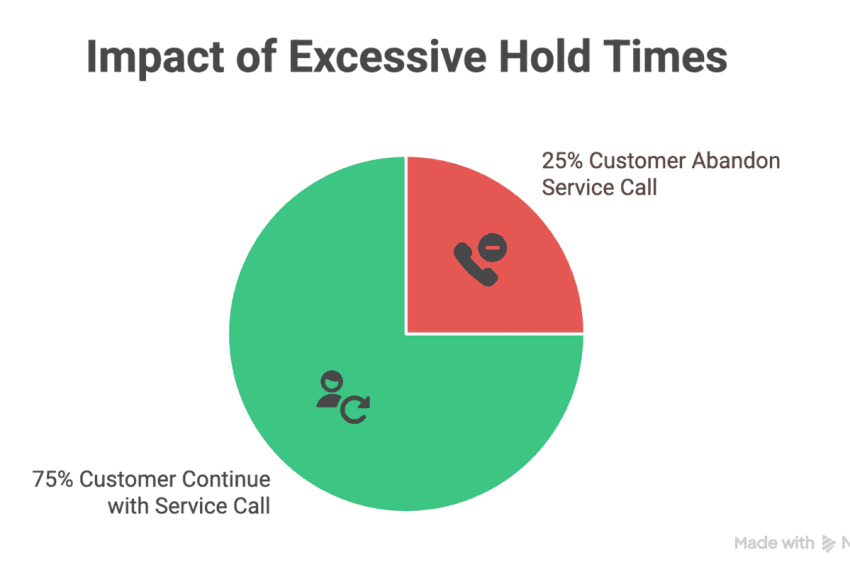
Missed calls and long hold times
Every unanswered call is a missed opportunity for business success. A study from PwC states that 82% of customers in the United States want a human connection, while 32% of customers will walk away from a brand after one bad experience, regardless of how much they like the brand. Many answering services offer overflow coverage to prevent missed calls during peak hours.
Data silos
Agents who cannot view previous chats or emails force customers to repeat their issue. This remains one of the biggest sources of frustration. A unified contact center platform or a customer context dashboard, such as Nextiva’s Power Suite CX, gives agents a full view of the customer journey as soon as the call connects.
Complex routing requirements
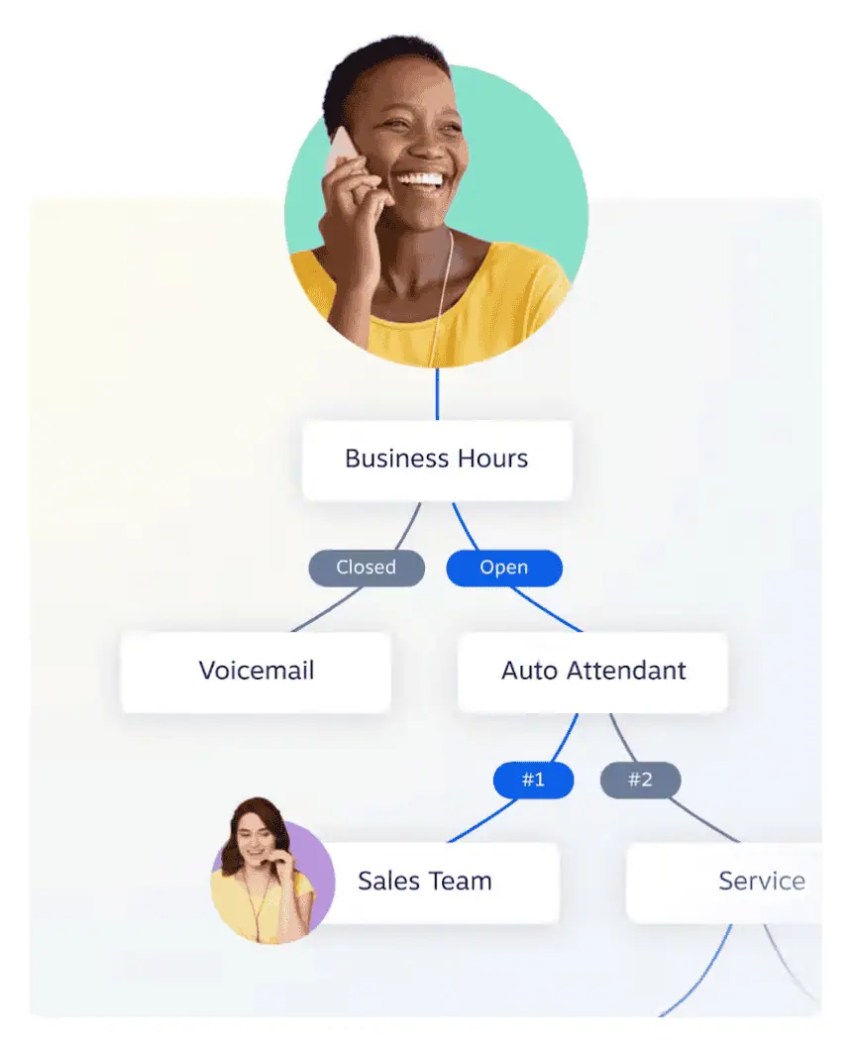
So, what is call routing? This software automatically sends incoming calls to the appropriate departmentusing advanced contact center solutions. Routing systems can sometimes feel complex. For this reason, calls based on issue type, department, customer tier, language, or geography require smart workflows.
Agent inconsistency
Agents do not receive the same level of training, and even top performers have off days. This creates uneven service quality. Use AI-driven QA scorecards and automated transcription to review every call. This approach helps managers enforce brand standards and give agents targeted, data-backed coaching that improves performance across callcenter operations.
Agent burnout
Burnout can also affect the quality of service customers receive. Continuous high call volumes place heavy pressure on inbound call center agents. Data from WifiTalents found that 54% of all center agents say their call volume is too much, and 74% of agents are at risk of burnout, which can impact the way they work.
After-hours coverage
Customers now expect 24/7 support outside the traditional 9-to-5 business hours. For businesses, providing round-the-clock support can be expensive and logistically challenging. Businesses often depend on conversational AI agents, tiered support teams, and external answering service providers to maintain global coverage to handle night and weekend demand.
Best Practices for Inbound Call Handling
Successful inbound call handling can positively impact your brand. It improves loyalty and ensures customers feel valued. Take, for example, Asia Growth Partners’ report on Imperial College Healthcare NHS Trust. The Trust was faced with the dilemma of getting 11,500 inbound calls per day without the manpower to answer every call.
Implementing an automated solution allowed it to filter through calls and provide automated answers for simple issues, while more complex concerns were handled by a human agent. As a result, roughly 95% of calls were answered, and the Trust was able to provide a better customer experience.
Here are some of the best practices you can apply for efficient inbound call handling.
Answer calls promptly and professionally
First impressions happen fast, and on the phone, they typically happen in the first 10 seconds. Industry benchmarks recommend answering inbound calls in under 20 seconds to reduce abandonment and signal responsiveness and to maintain exceptional customer service.
According to HubSpot, long wait times and slow responses negatively impact customer experience and are a source of frustration for customers.
Set clear internal SLAs (service level agreements) for speed to answer, and reinforce professional tone through consistent greetings. Even small cues, like an agent’s tone or pacing, can shape the caller’s trust in your brand.
Here’s what you can do for your business:
- Set a company-wide SLA of under 20 seconds to answer calls and also use AI-powered IVR to identify the caller’s intent before the agent picks up.
- Use a friendly, consistent greeting that aligns with your brand (e.g., “Thanks for calling [Company Name]. This is Sarah. How can I help you today?”).
- Encourage agents to smile when speaking. Even over the phone, warmth comes through in tone.

Promote active listening and empathy
Most of the time, customers call because they want someone to listen to them. Train agents to listen for both what’s said and how it’s said.
Here are some tips to keep in mind:
- Listen for emotion, not just content (e.g., urgency, frustration, or confusion).
- Mirror the customer’s concern with empathy (e.g., “I completely understand why that would be frustrating.”).
- Avoid cutting callers off. Let them explain before jumping into troubleshooting.
- Use real-time sentiment analysis to flag when a caller is frustrated and to capture useful customer feedback. This allows you to jump in and assist before the call goes south.
Implement intelligent call routing
Poor routing leads to repeated transfers, long hold times, and frustrated customers. Smart routing ensures callers reach the right person the first time. Use CRM data to identify high-value customers and route them directly to their dedicated account manager, bypassing the general queue.
Using call center software, companies can direct qualified warm leads emergency cases, or high-value prospects to the right sales team in seconds.
By combining an IVR system and automatic call distribution, companies can streamline inbound flows while reducing operational stress.
Learn more about intelligent call routing here
Use an omnichannel approach
Research from Capital One Shopping shows that an omnichannel approach increases average revenue by 9%. To support customers across multiple channels, make sure your phone support integrates with chat, email, and social tools.
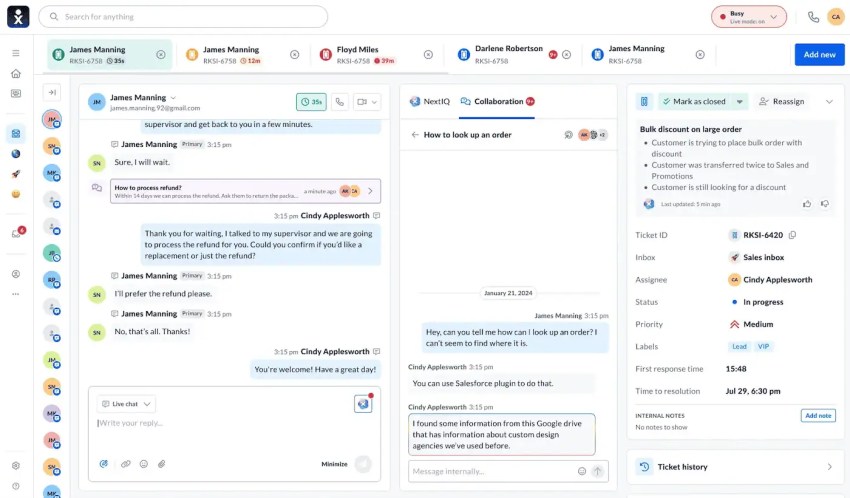
Agents should be able to see a customer’s full conversation history, not just the current call. This eliminates the need to ask customers the same questions and helps establish your customer relationship.
For better results, use a unified inbox or dashboard. If a customer sends a text while waiting on hold, the agent can see that message immediately. This approach improves support quality for small businesses and large enterprises alike.
Empower agents with data
Every inbound call is an opportunity to build a relationship with a customer but only if agents have context. Integrating your call platform with a CRM system unlocks personalization, speed, and upsell potential.
Imagine a customer calls about a delayed order, and the agent can immediately see their purchase history, previous complaints, and loyalty tier. That’s what modern call handling should feel like for both the caller and the agent.
To empower your team with data, you can:
- Sync customer profiles with platforms like Salesforce, HubSpot, or Zoho.
- Use real-time dashboards that show you inbound call center metrics like queue times, total calls, and agent performance.
- Let agents see account notes, purchase records, and support history as the call comes in.
Tools like Nextiva sync with CRM platforms and give you deeper insight into what works and what doesn’t in your inbound call management system.
Use AI and automation wisely
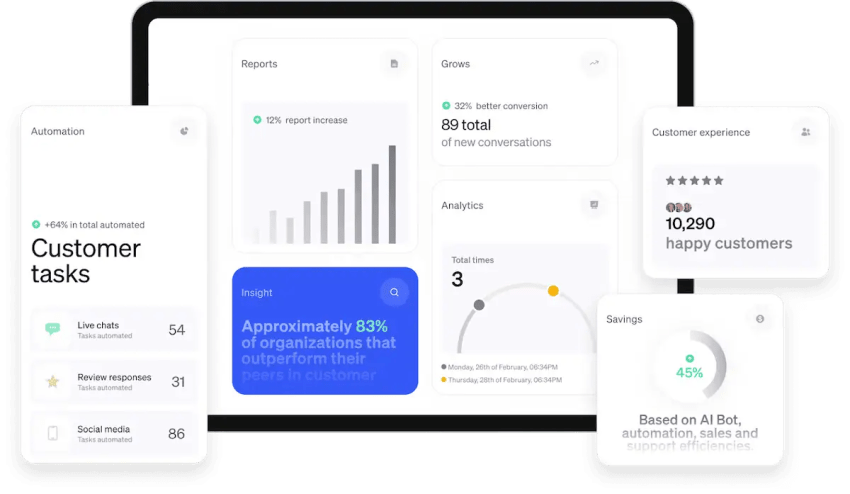
Used well, AI Assist tools can suggest real-time responses, detect customer sentiment, and generate post-call summaries. Meanwhile, self-service IVRs reduce routine call volume by letting customers get answers instantly, no hold music required.
According to data from Deloitte Digital, 79% of contact center leaders plan to boost AI investment for their customer service. AI can be used for:
- On-call guidance: Suggests responses, next best actions, or surfaces relevant knowledge base articles in real time based on the conversation
- Sentiment analysis: Flags frustrated callers in real time.
- Call deflection: Automates FAQs (e.g., store hours and order tracking) via IVR or chatbot.
- Resolution-first IVR: High-speed, voice-activated menus that solve common issues and allow customers to resolve routine tasks (like order tracking) through natural conversation without waiting for an agent.
- AI summarization: Automatically generates post-call summaries and updates the CRM, saving agents minutes of manual work per call.
Automation should make support smoother, but that doesn’t mean completely removing the human element. Prioritize tools that complement human interactions.
Offer continuous training and coaching
High-performing teams regularly review calls, calibrate quality standards, and role-play scenarios to improve empathy and response times. Strong leadership and clear management strategies help teams maintain consistent service quality across shifts and departments. To keep your team at the top of their game:
- Schedule monthly coaching check-ins to go over difficult calls.
- Use call recordings for real-life examples in group sessions aimed at brushing up on call handling techniques.
- Calibrate QA scores so all team leads rate customer interactions consistently.
A commitment to coaching creates consistency across shifts and agents, so every customer gets the same great experience.
Perform follow-up and closure
Ending the call well matters as much as starting it right. Clear next steps prevent confusion, and post-call follow-ups turn resolution into reassurance. Make sure that actions taken during the call are summarized at the end of the call, and follow up through other communication channels like email and SMS. To monitor performance, request short feedback surveys.
What Technologies to Consider for Improving Inbound Call Handling
Your agents are only as good as the tools you give them. The right tools can improve speed to answer, reduce agent stress, and turn every call into a loyalty-building moment. To rank high in service levels in 2026, you must move beyond basic dialers toward an integrated AI stack that prioritizes speed and context.
| Technology | Purpose | Impact |
|---|---|---|
| Conversational AI | Resolves routine FAQs and transactional tasks without a human agent. | 40% reduction in routine call volume. |
| Power Suite CX dashboards | Live tracking of caller sentiment, queue health, and real-time SLA performance. | Instant operational agility for supervisors. |
| Automated workflows | Triggers post-call SMS follow-ups or satisfaction surveys based on call outcome. | Significant boost to First Call Resolution (FCR). |
| Bi-directional CRM sync | Ensures customer data and call notes are updated across all platforms in real-time. | Eliminates manual data entry and siloed records. |
While these four pillars form the foundation of a modern contact center, achieving true scale requires a deeper set of specialized tools. Here are six essential technologies that elevate inbound call performance and keep your team ahead of customer expectations.
IVR and auto-attendants
Interactive voice response (IVR) systems and auto-attendants streamline the initial moments of a customer call. Instead of wasting time with manual call transfers, customers use voice or keypad menus to select the reason for their call and connect to the right person.
Using a call center IVR will help:
- Direct calls quickly with voice or keypad menus.
- Reduce wait times and free up agents.
- Provide self-service after hours.

Skills-based routing
Skills-based routing means routing the call to the department or agent best equipped to handle a particular case. For example, agents who are well-versed in insurance policies are the best people to handle questions about policy premiums. This system:
- Matches calls with agents based on product knowledge, certifications, or language skills.
- Prioritizes VIPs or enterprise accounts for top-tier support.
Call recording and analytics
Every inbound call contains data about customer behavior, agent performance, and process bottlenecks. Recording calls and analyzing transcripts can uncover trends before they turn into problems. With this technology, you can:
- Use recordings for training, dispute resolution, and quality assurance.
- Transcribe calls and run keyword analysis to spot emerging issues.
- Track essential metrics like first call resolution and average handle time.
If you’re not measuring call center performance, you can’t improve it. Tools like Nextiva help managers monitor service levels and intervene as needed.
For example, if you’re a SaaS company, speed to respond is crucial. When your agents and software notice a spike in calls mentioning “login error,” you can flag a backend issue before it snowballs into a major outage.

CRM integration
When a customer calls, the worst thing you can do is make them repeat themselves. By integrating your call handling system with your CRM, agents instantly see relevant account data like open support tickets, purchase history, or loyalty status. This helps:
- Reduce resolution times by surfacing past interactions and preferences.
- Personalize conversations based on customer history.
- Improve upsell and cross-sell outcomes with context-driven offers.
For example, a customer calls to follow up on an order. With CRM sync, the agent sees their tracking number and proactively offers a refund for a delayed delivery without the customer having to ask.
Real-time dashboards and reporting
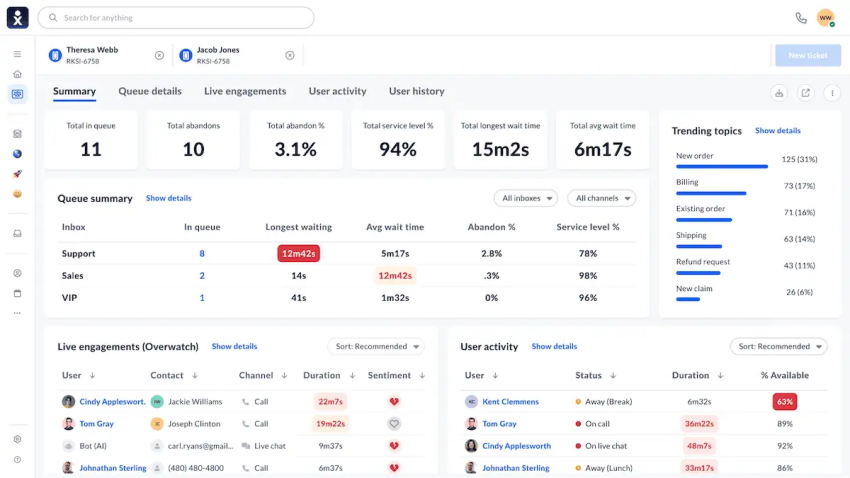
Real-time dashboards give supervisors the ability to see what’s happening now — for example, who’s in the queue, which agents are overloaded, and when KPIs are slipping. These dashboards allow you to:
- Monitor call queues, abandoned calls, and SLA performance live.
- Reallocate agents on the fly based on traffic or coverage gaps.
- Identify top-performing agents or recurring caller issues.
Multilingual and regional support
Being able to speak in the customer’s language (literally) significantly improves their customer experience. According to Forbes, multilingual support helps with business growth and reach. By using this technology, you can:
- Automatically route calls based on caller ID, phone number, or preferred language.
- Connect with diverse customer bases.
This feature is especially crucial for healthcare, travel, fintech, and global SaaS companies. And with platforms like Nextiva, you can manage multilingual support from a single unified system.
Turn Every Inbound Call Into a Superior Customer Experience
When it comes to a successful inbound call strategy, the teams that consistently win don’t leave calls to chance. They design the entire experience to include fast pickup, clear routing, full context on the customer, and confident agents who are well-prepared.
If you’re building your 2026 playbook, make these habits non-negotiable:
- Answer promptly and politely. Set and enforce SLAs so calls are picked up fast, and use a consistent, friendly greeting that reflects your brand.
- Cut down transfers with intelligent routing. Pair IVR menus with AI-assisted routing, so callers reach the right person on the first try by skill, language, account tier, or issue type.
- Bring the customer’s story to the screen. Integrate your phone system with the tools your team lives in so agents see recent tickets, orders, and notes as the call arrives.
- Give agents real-time backup. AI can summarize calls, suggest next steps, and flag moments that need escalation without getting in the agent’s way.
- Keep improving with coaching and QA. Use recordings, scorecards, and calibration to make service feel consistent across shifts.
When your tools, playbook, and people are in sync, inbound call handling helps you connect with more customers and establish your brand as trustworthy.
Why Nextiva Is Your Best Partner for Inbound Call Handling
Nextiva gives you the full inbound stack (routing, AI, analytics, and omnichannel) in one place, so leaders can run consistent operations. It’s built to help managers hit service levels, give agents the context they need, and keep customers happy at scale. Nextiva provides:
- A unified platform. Run phone, SMS, chat, video, and email from a single workspace so agents never start cold, and supervisors can see the whole picture.
- Smart routing. Build IVR menus and skills-based logic that send each call to the right person the first time.
- AI-powered insights. Deliver on-call coaching, live transcription, and sentiment cues to help agents resolve issues faster.
- CRM integrations. Pipe context straight into the call (like orders, tickets, and notes from Salesforce, HubSpot, Zoho, and more) via the Nextiva integrations catalog.
- Enterprise-grade reliability. Keep teams online with a network engineered for 99.999% uptime and 24/7 monitoring.
When your customers call, they’re also evaluating how easy you are to do business with. If you’re looking to trim transfers, speed up resolutions, and give agents the tools they need, it’s time to upgrade.
Get started with an AI-ready contact center on Nextiva. 👇
Top Ranked AI-Powered Contact Center Solution
Transform your customer interactions with a contact center platform that saves you time and money, reduces agent and supervisor stress, and flexibly adapts to fit your needs.
